CLOTHING KNOWLEDGE · FABRIC & WORKMANSHIP
Clothing Labels & Construction: Fibres, Seams & Care
Read material and care labels, understand what blends can do, and separate visible construction details from properties that photographs cannot prove.
- Material information
- Fibre percentages and garment parts
- Visible detail
- Seams, edges and fastenings
- Wear consideration
- Friction, fit and care
- Useful for
- Everyday tops, knits and sets
The key idea
Read the fibre content, construction and care instructions together. No single label word or photograph establishes how a garment will feel and perform after repeated wear.
Using the photo reference
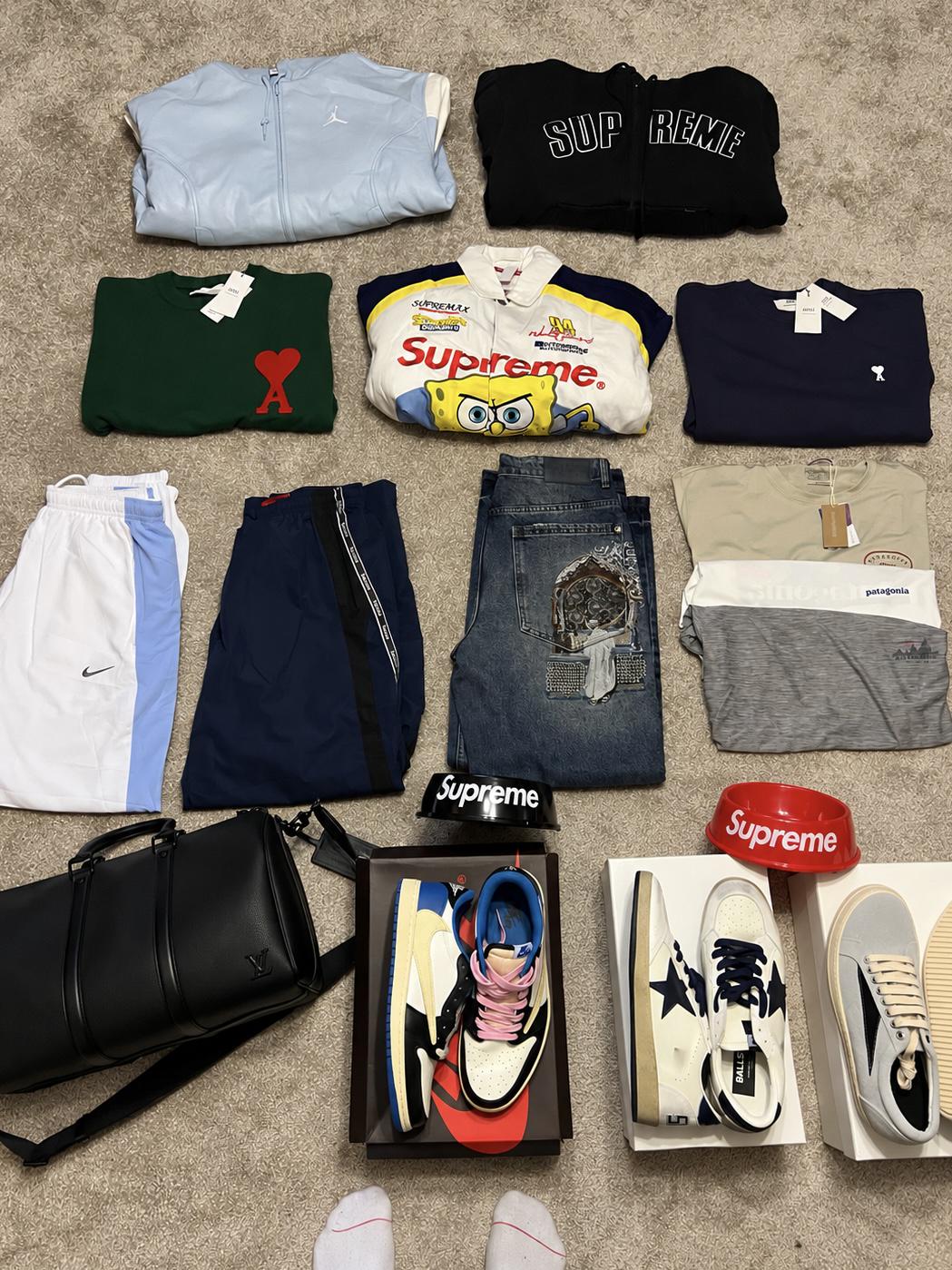
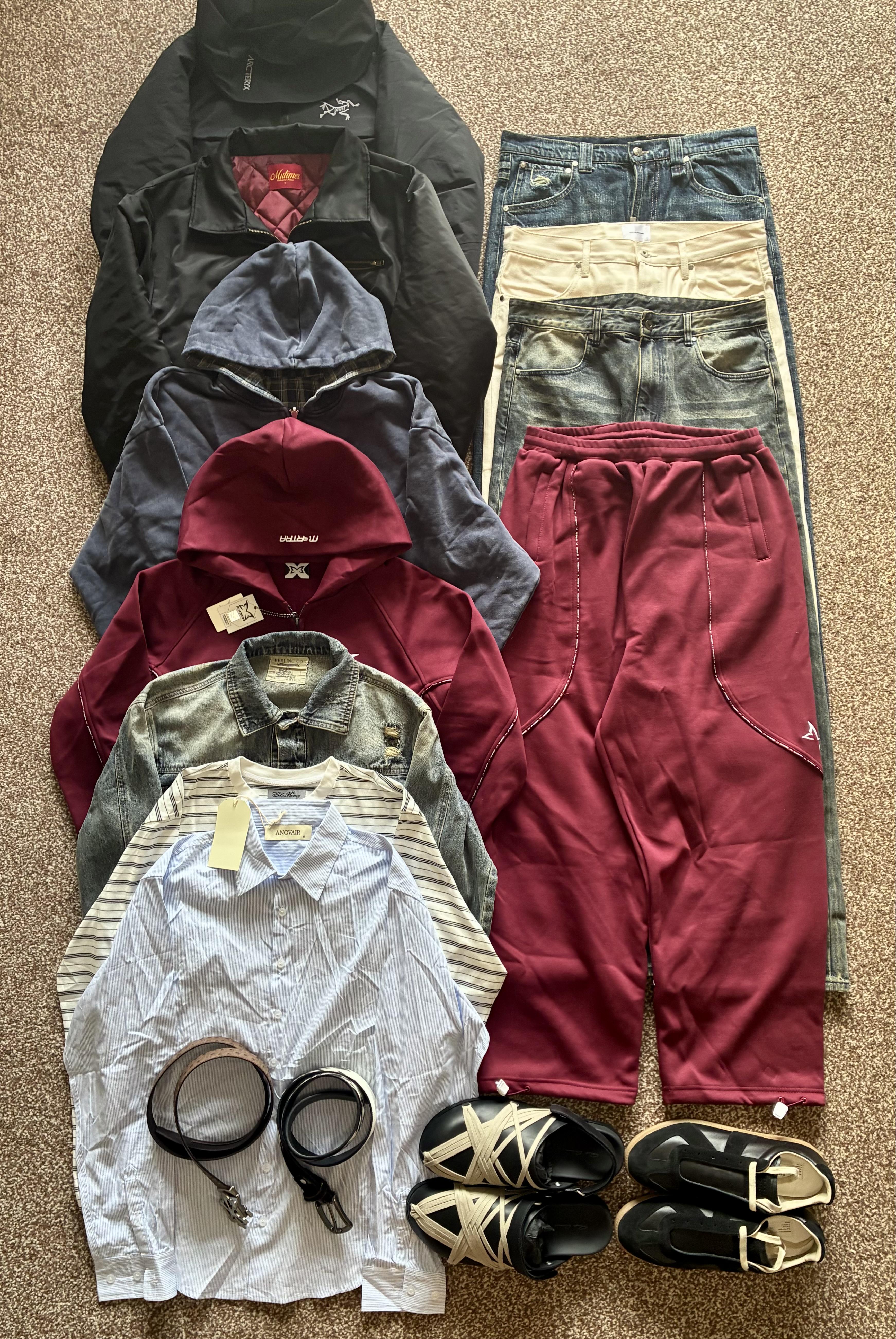
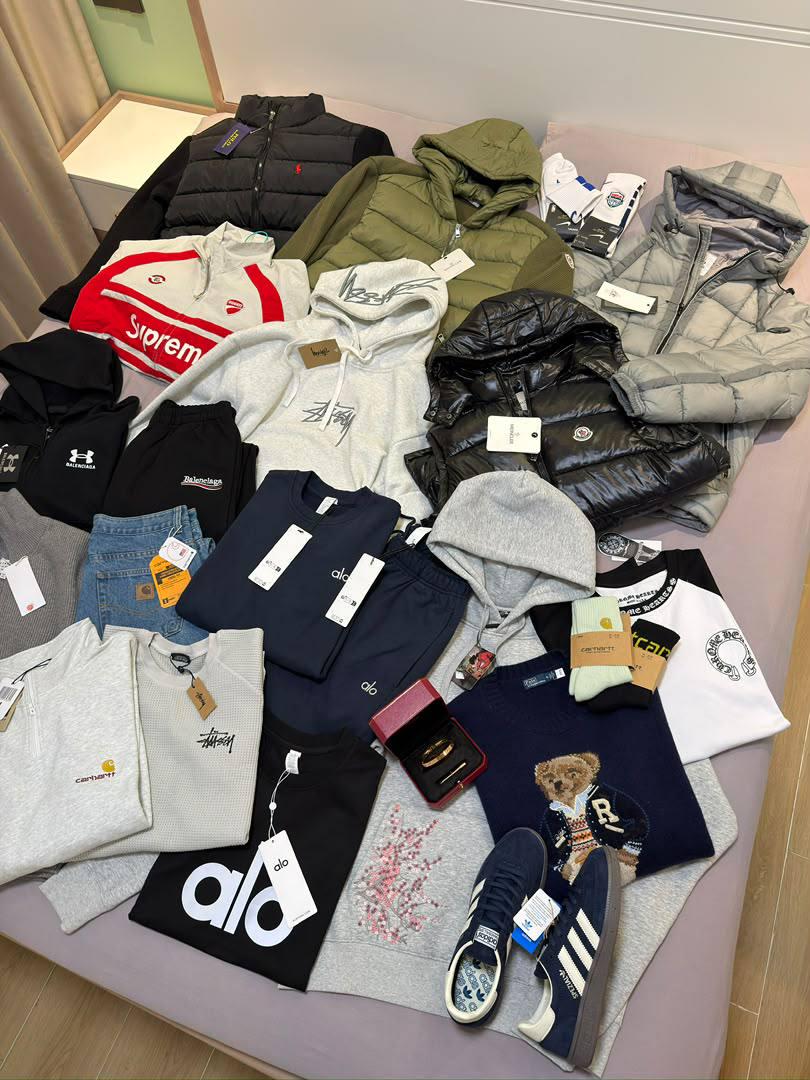
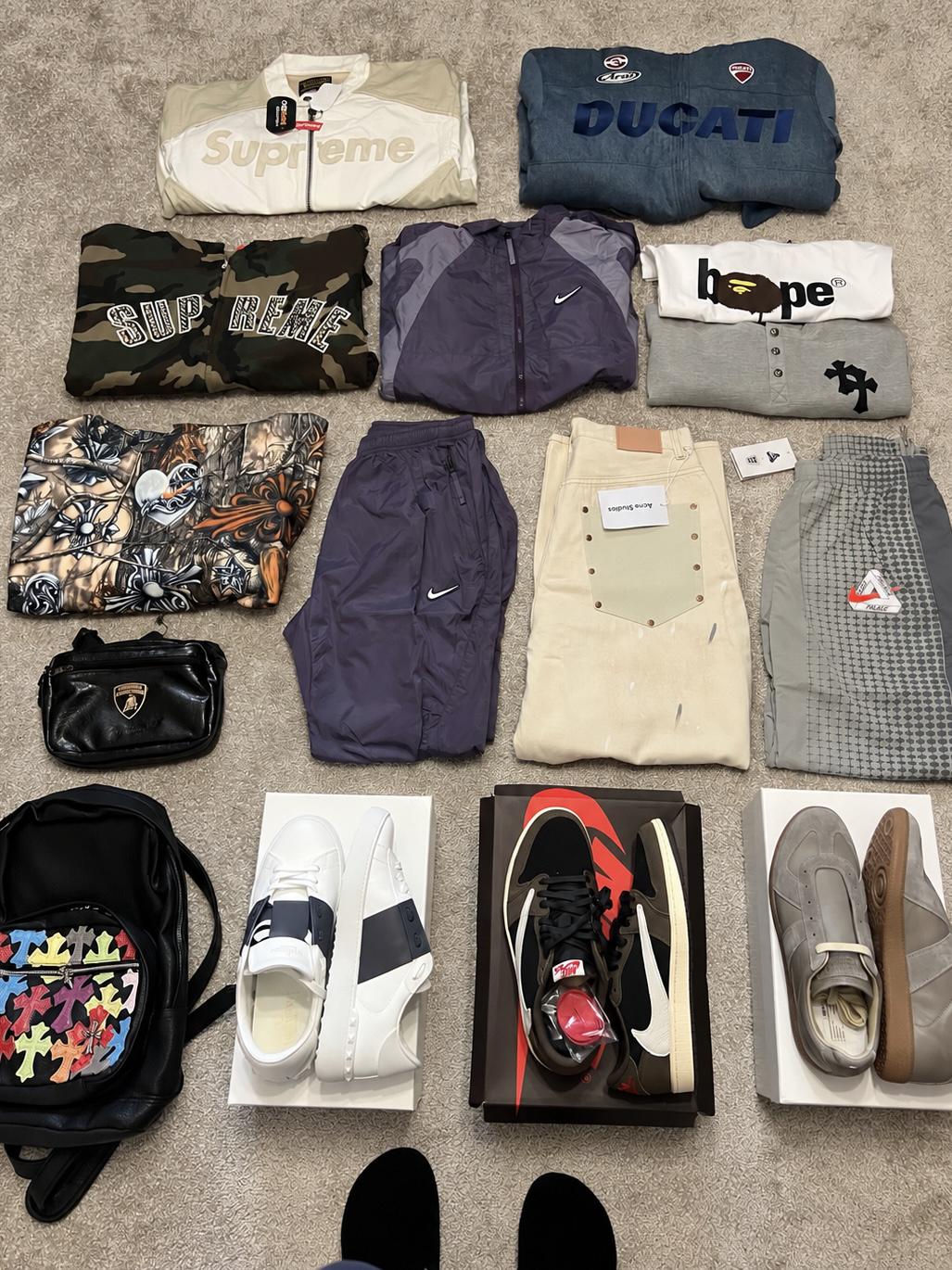
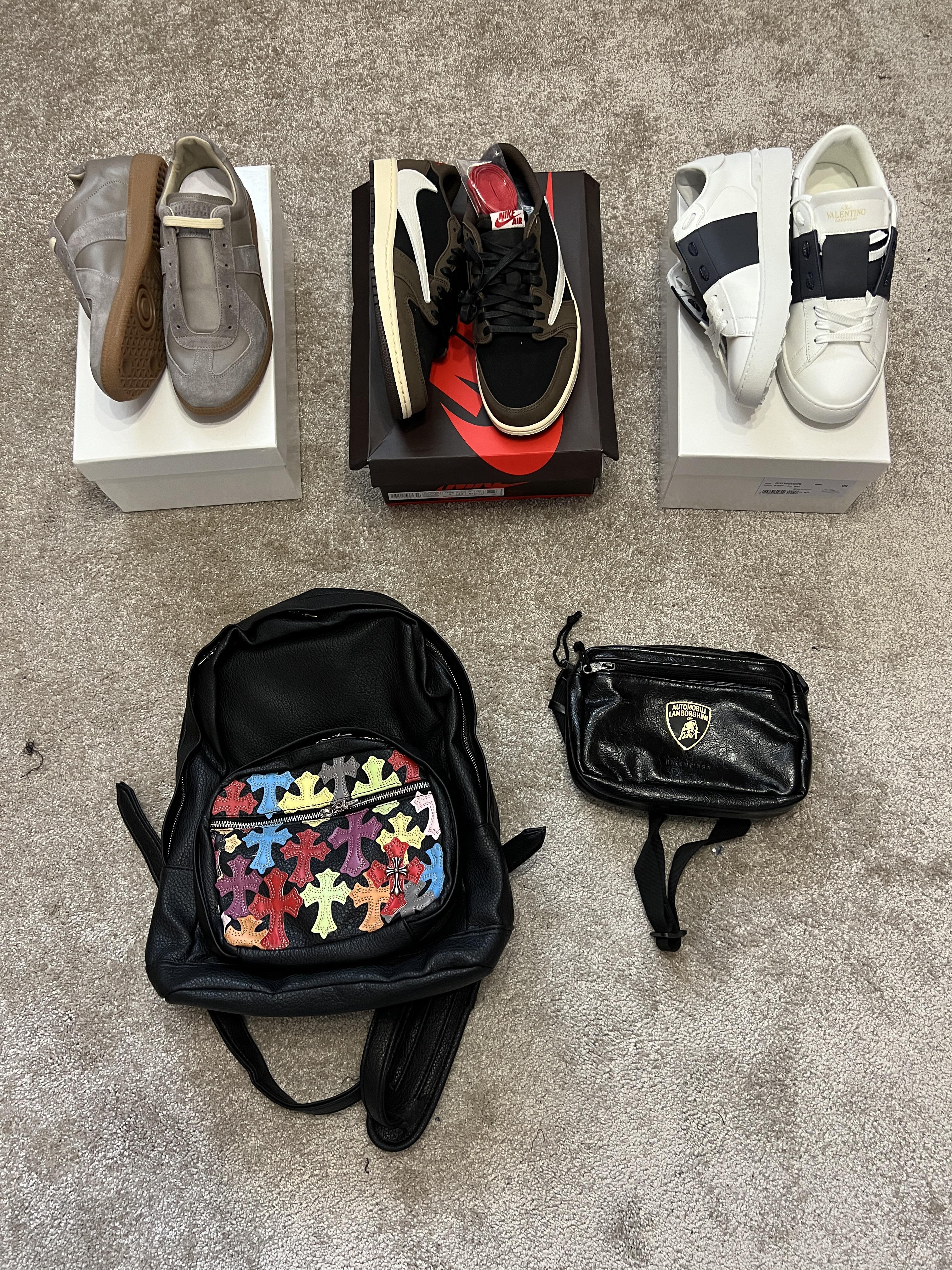
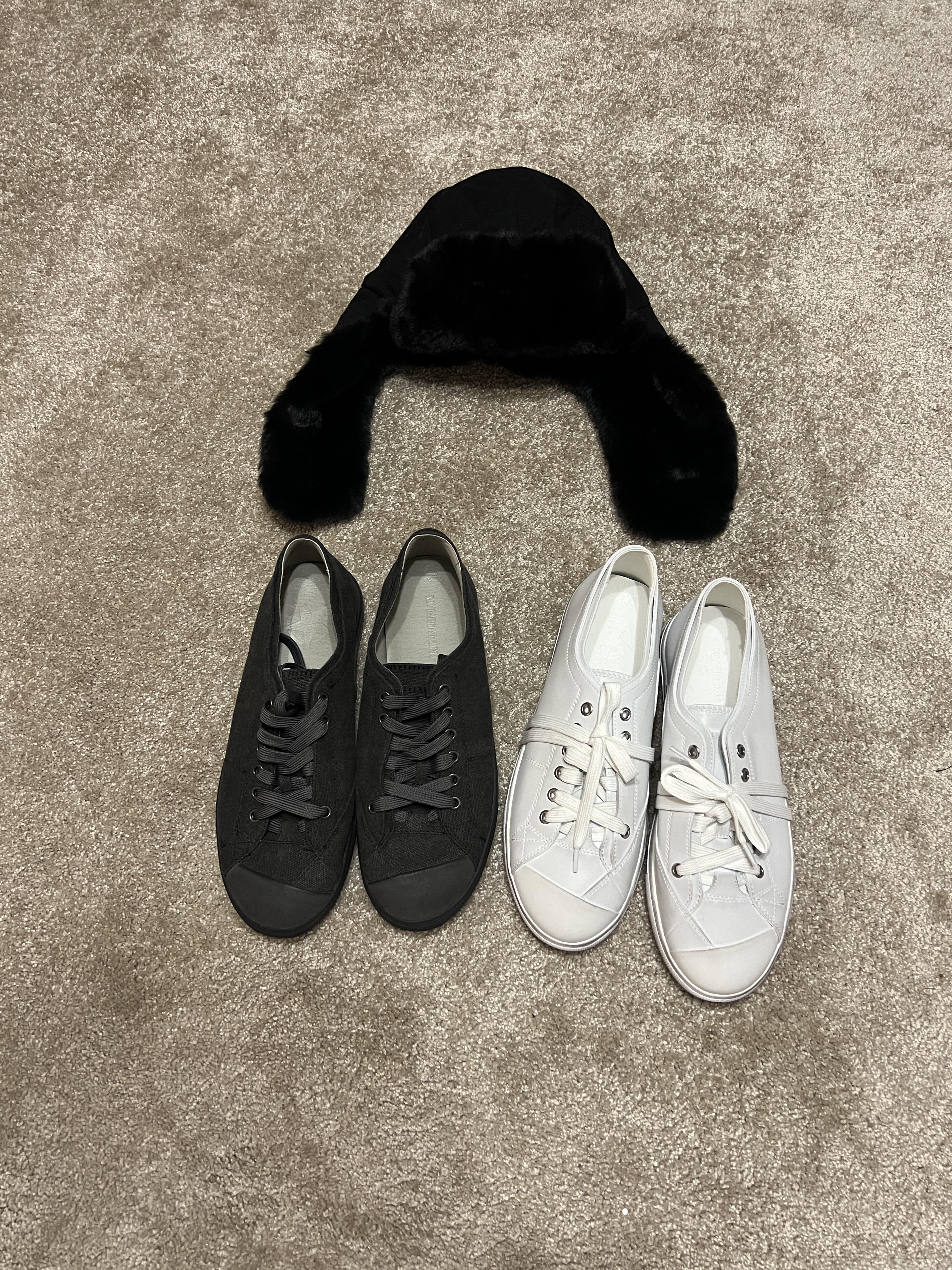
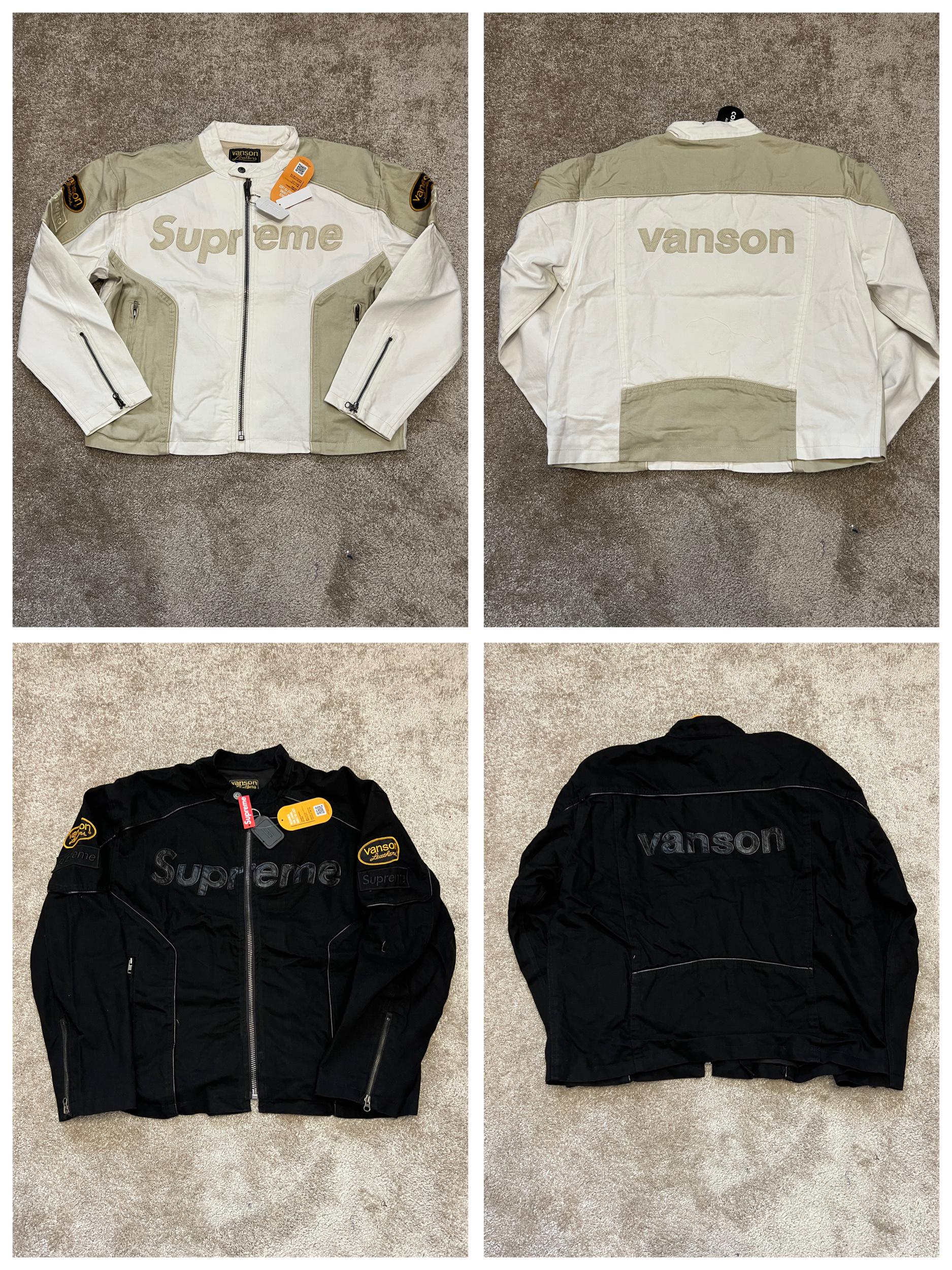
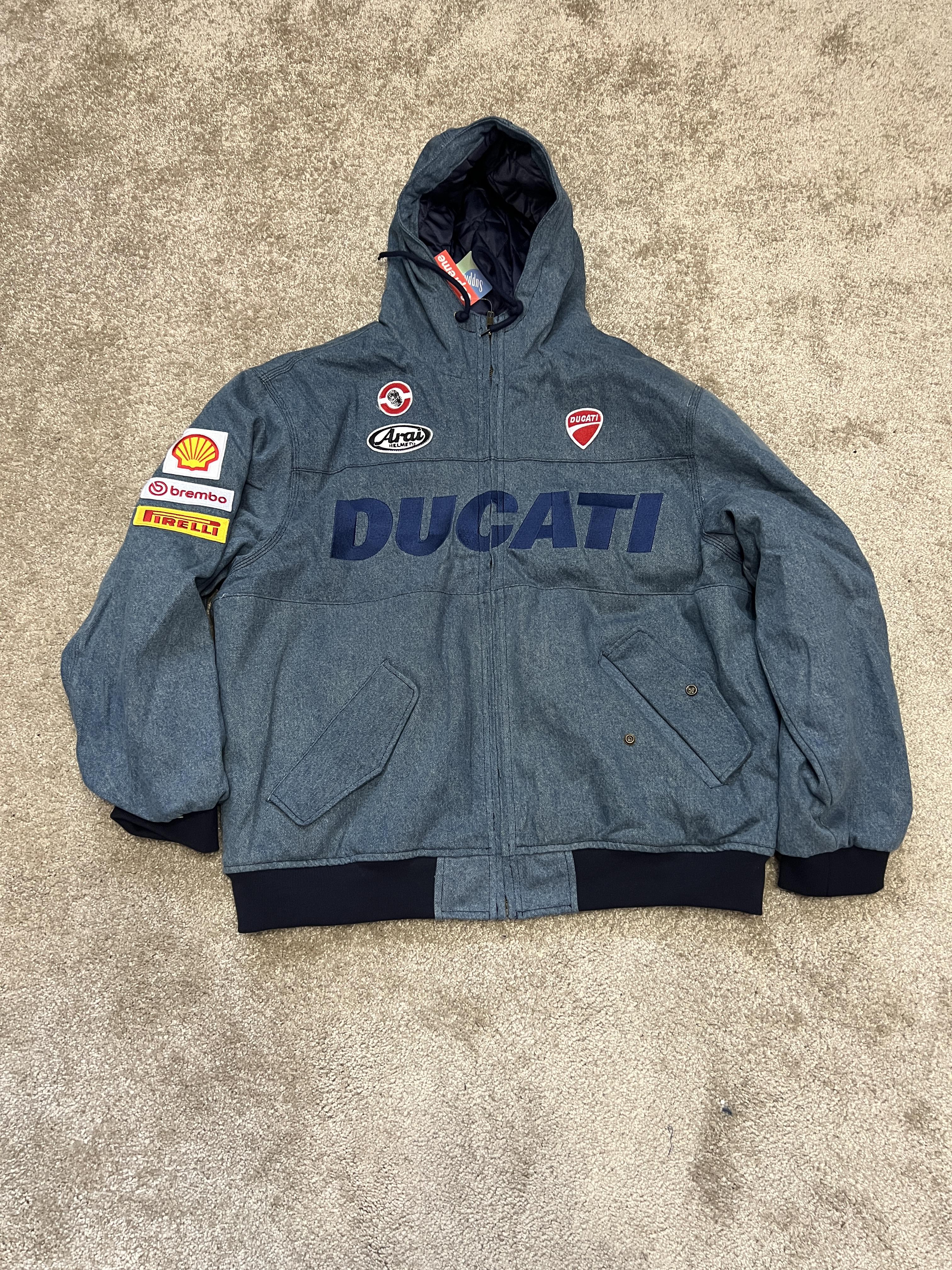
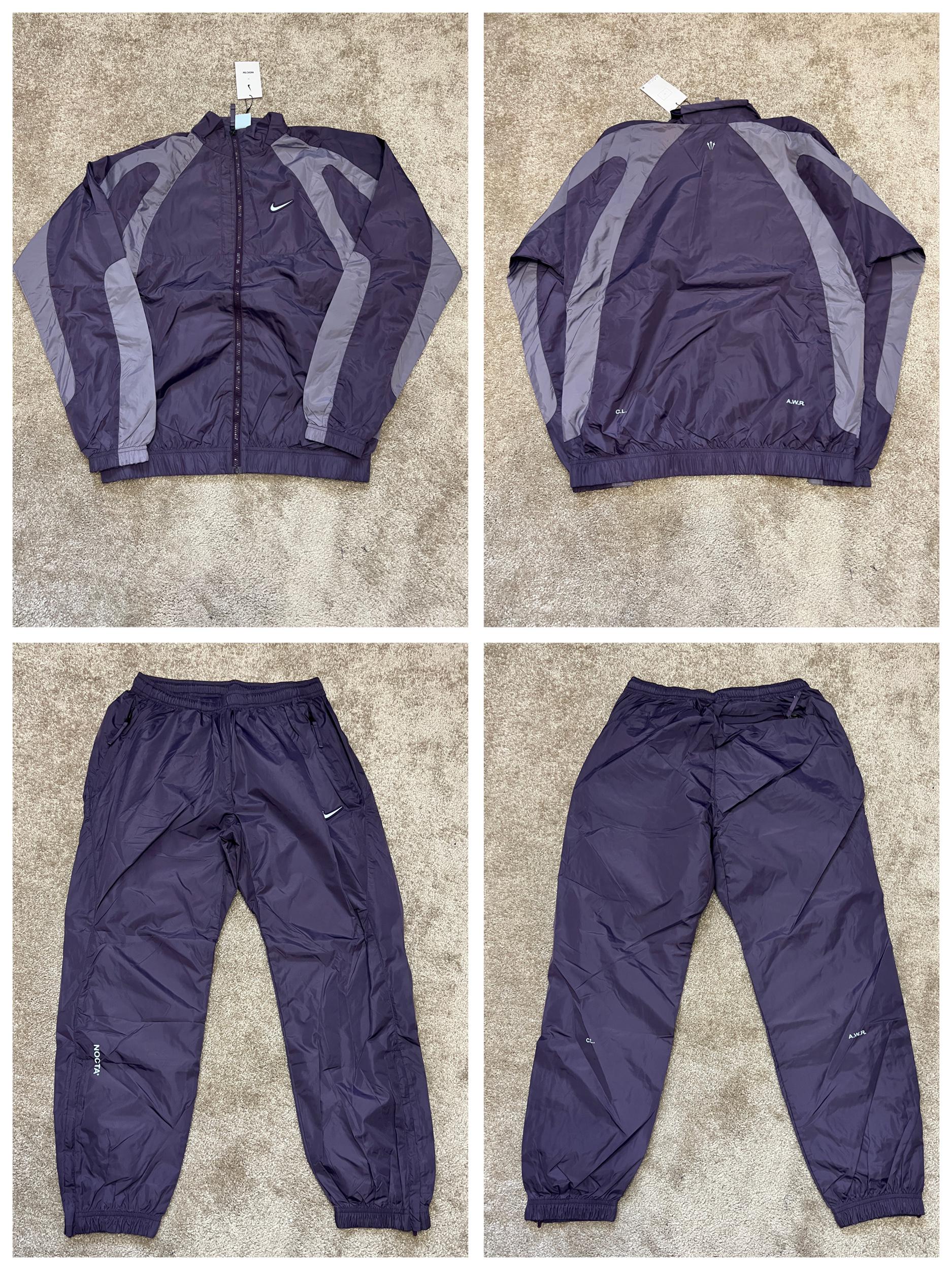
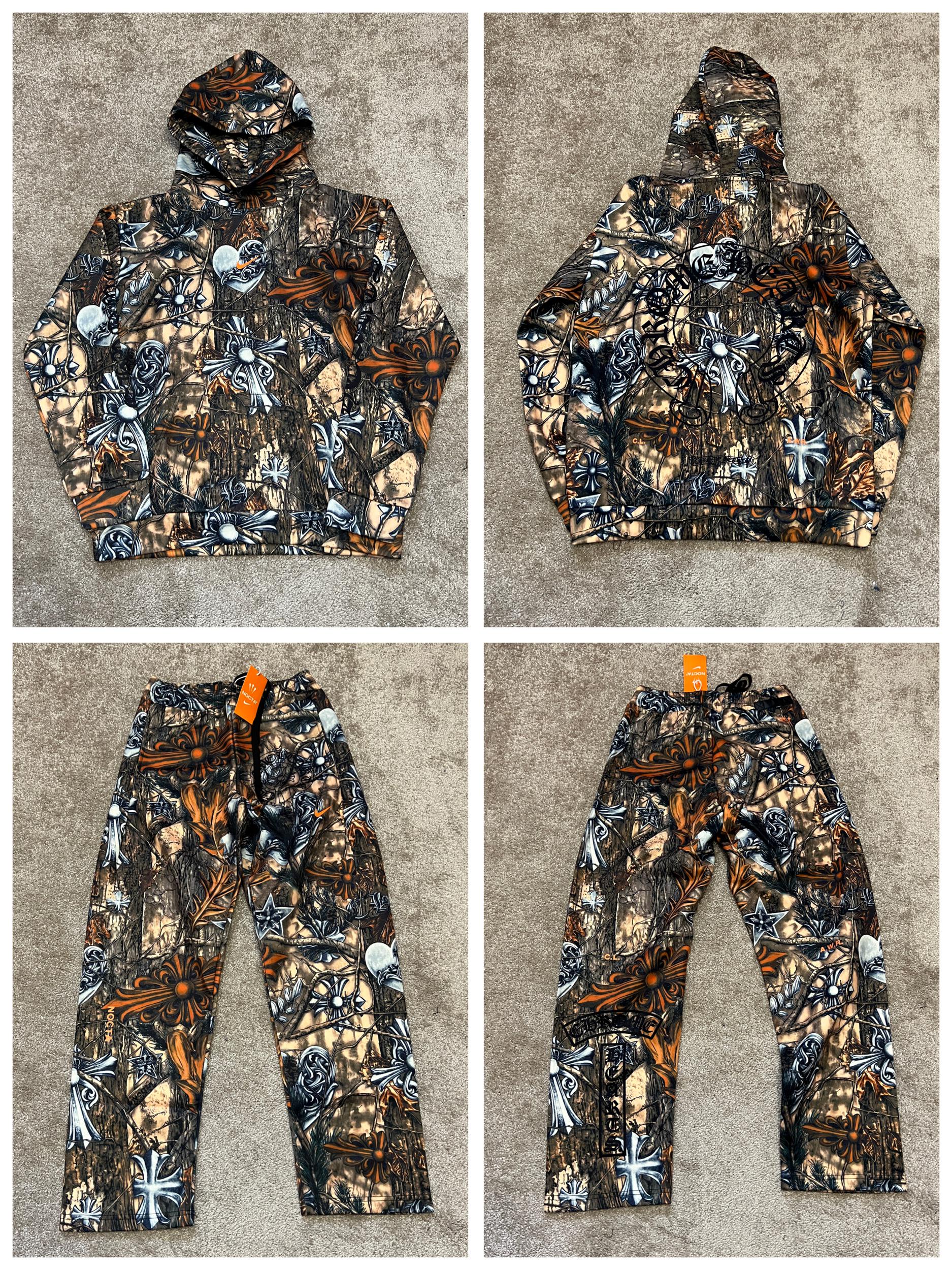
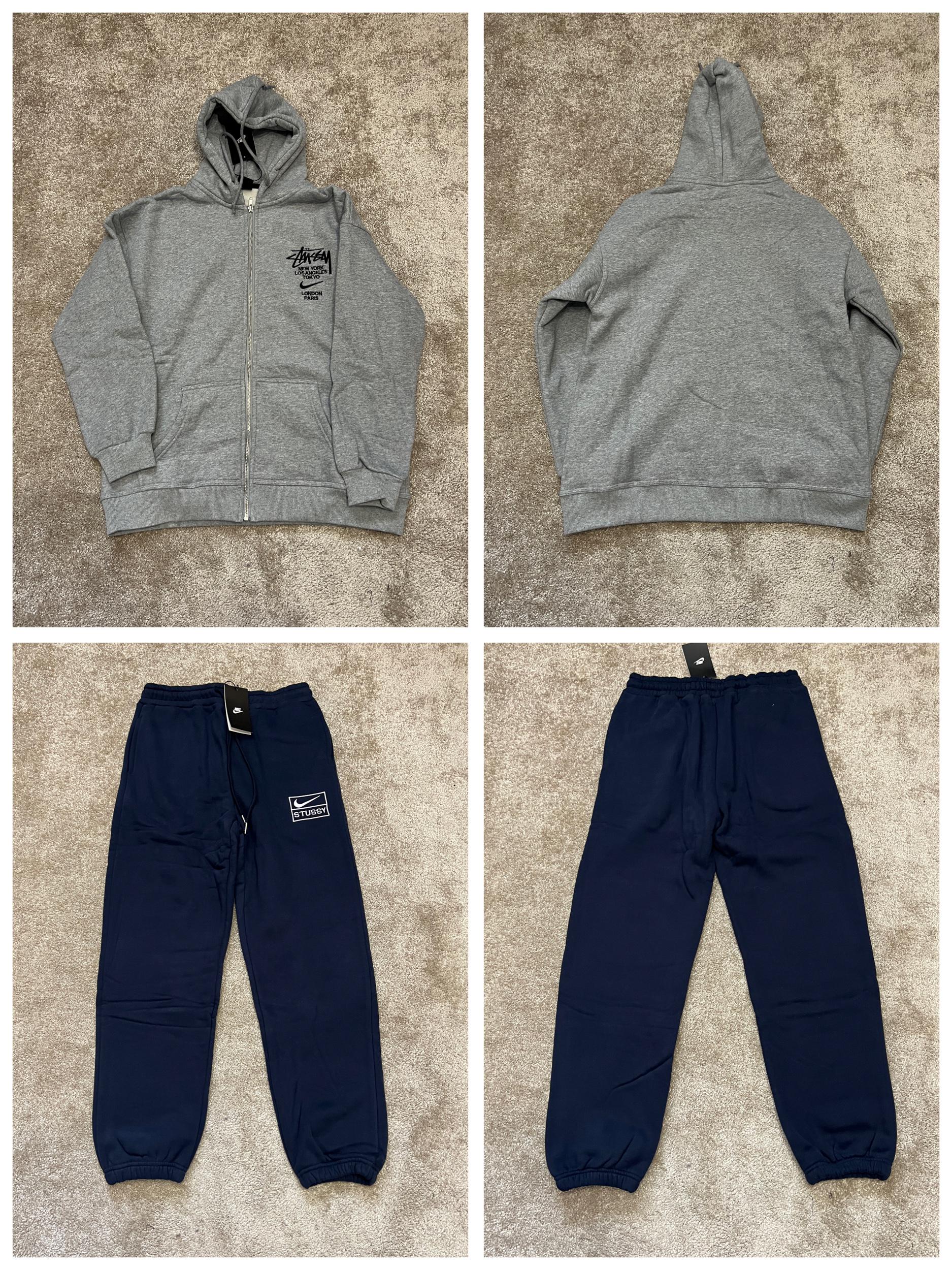
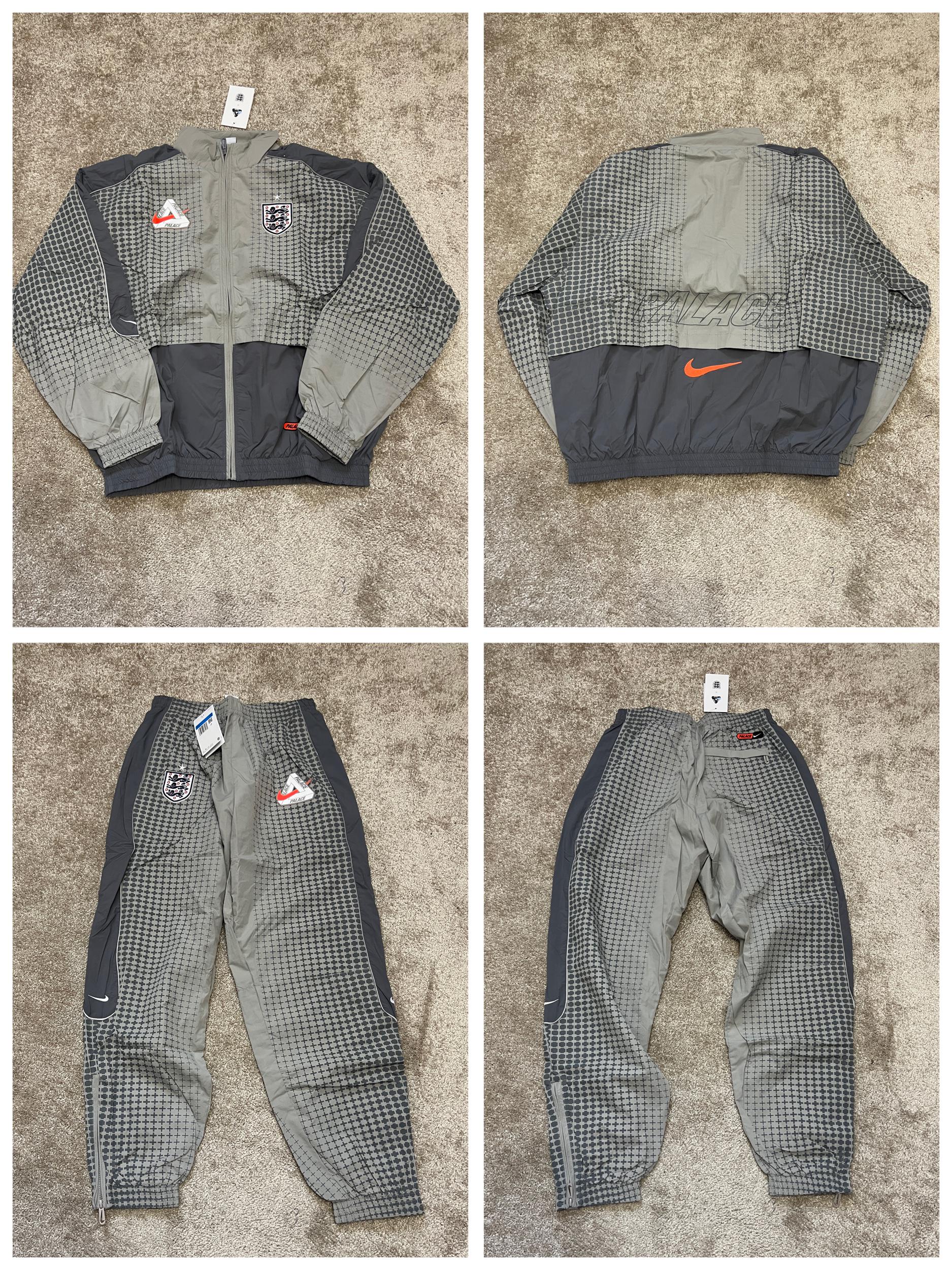
The gallery provides examples of clothing surfaces, seams, graphics and coordinated pieces. It does not verify the fibre composition or durability of those items. Material explanations here describe general clothing knowledge, independently of the original shopper’s review.
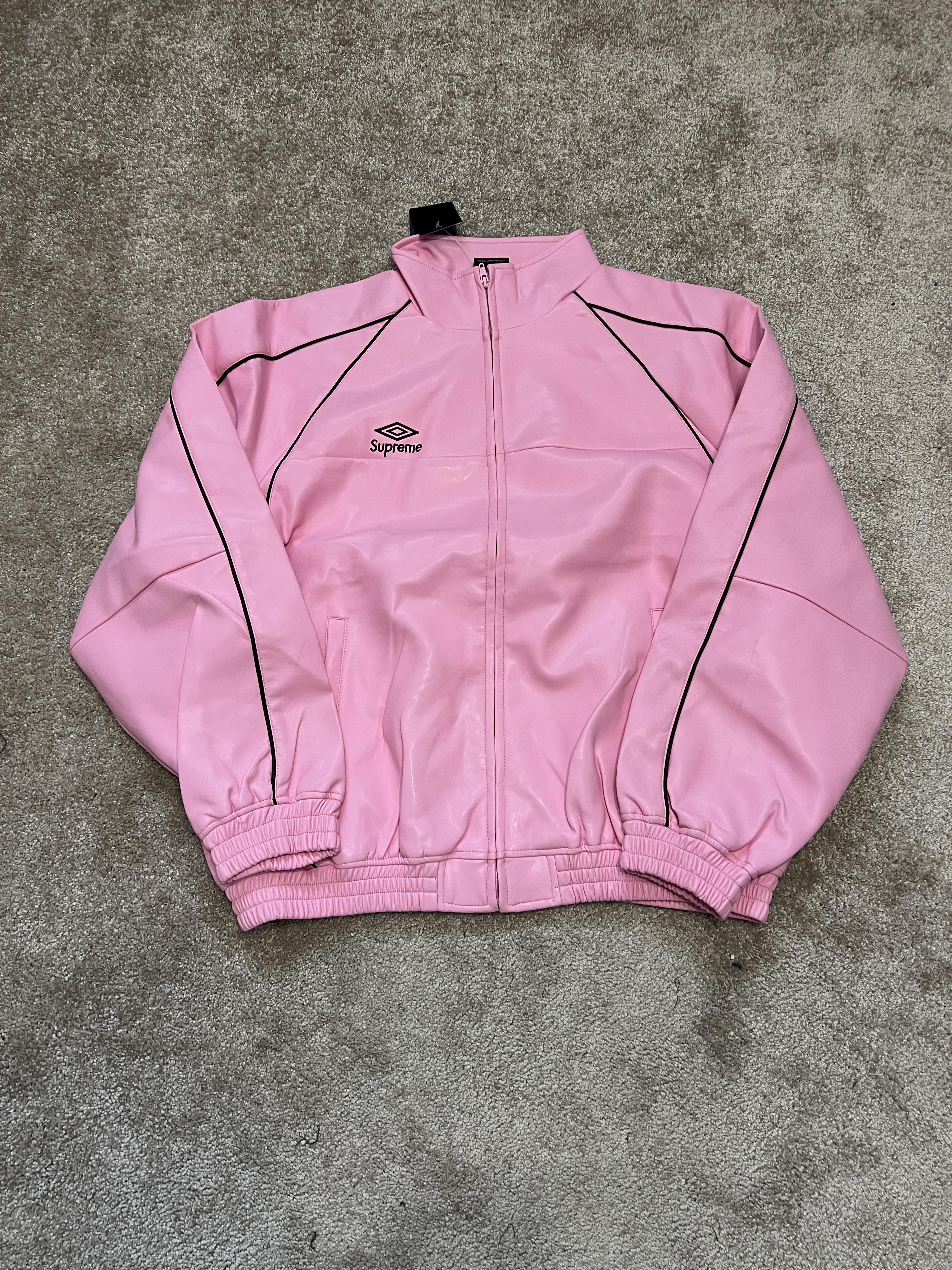
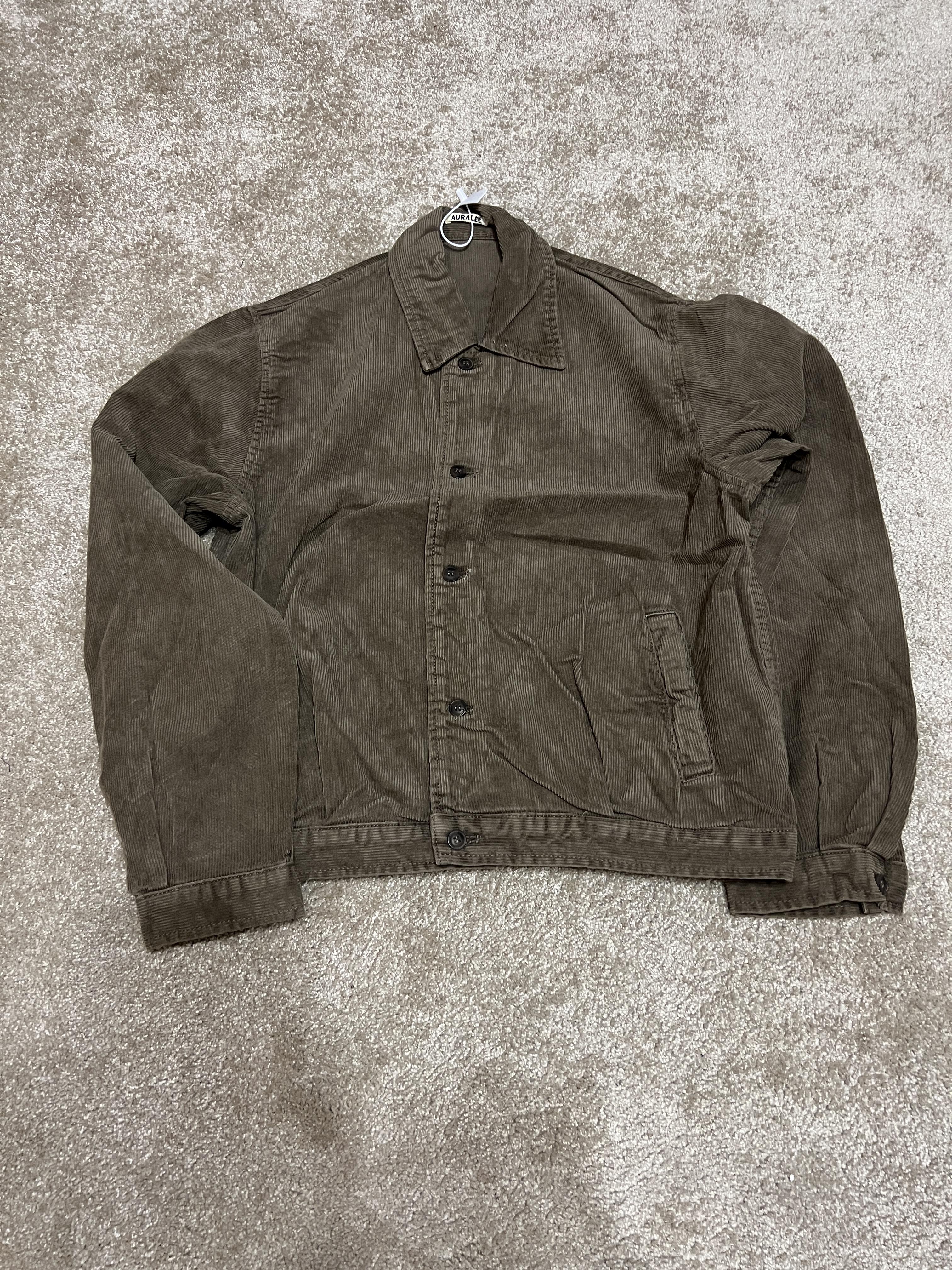
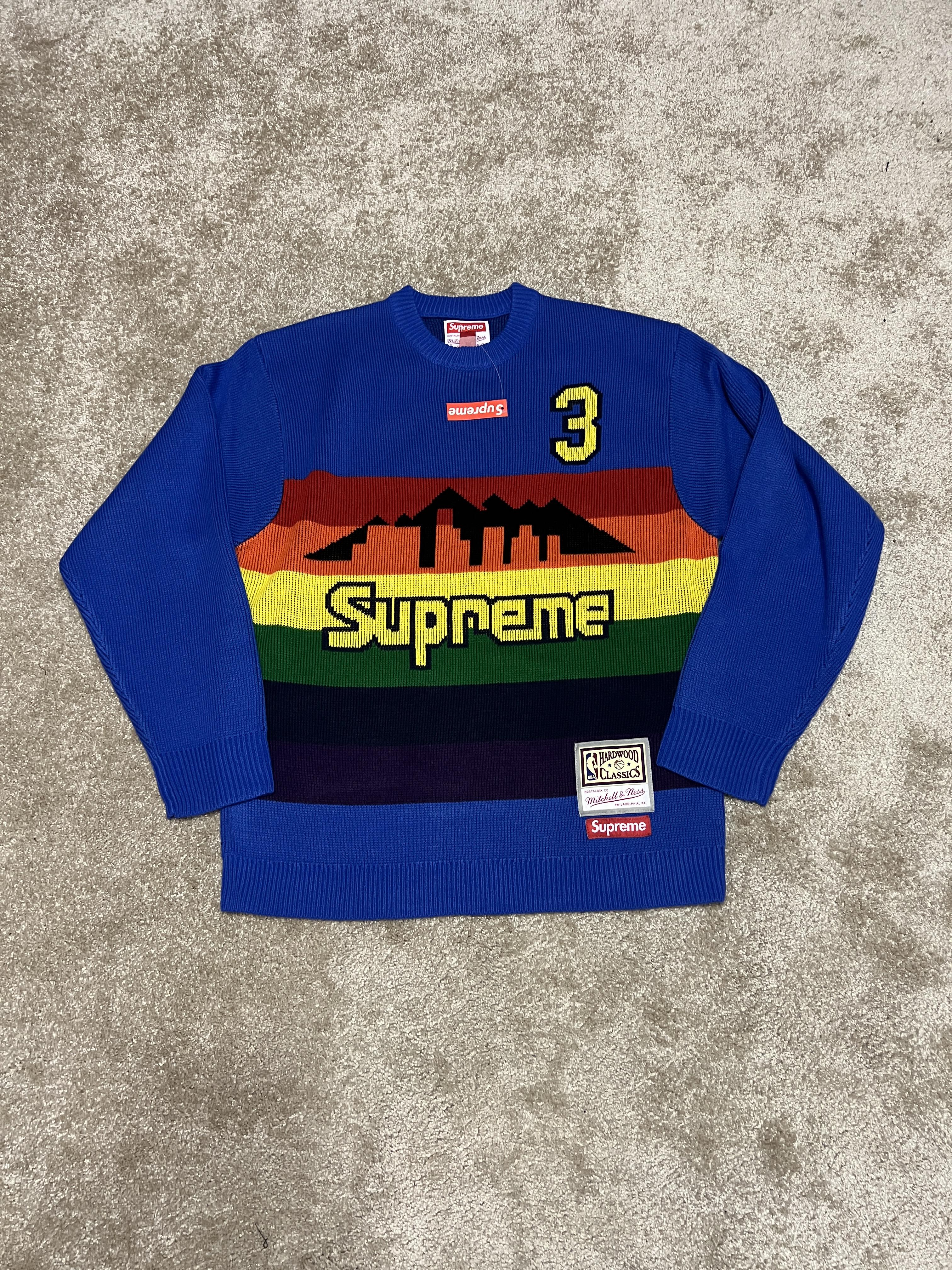
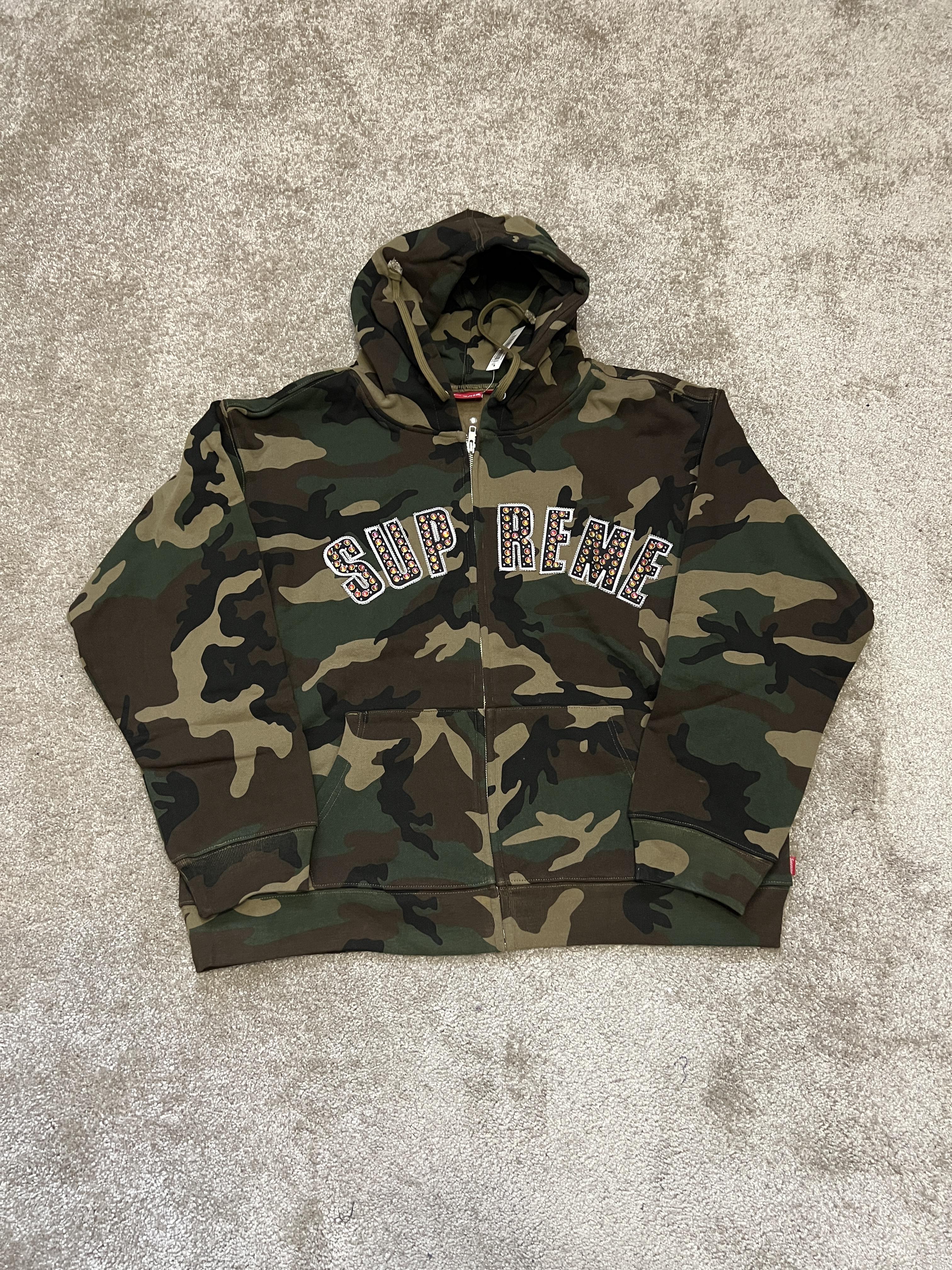
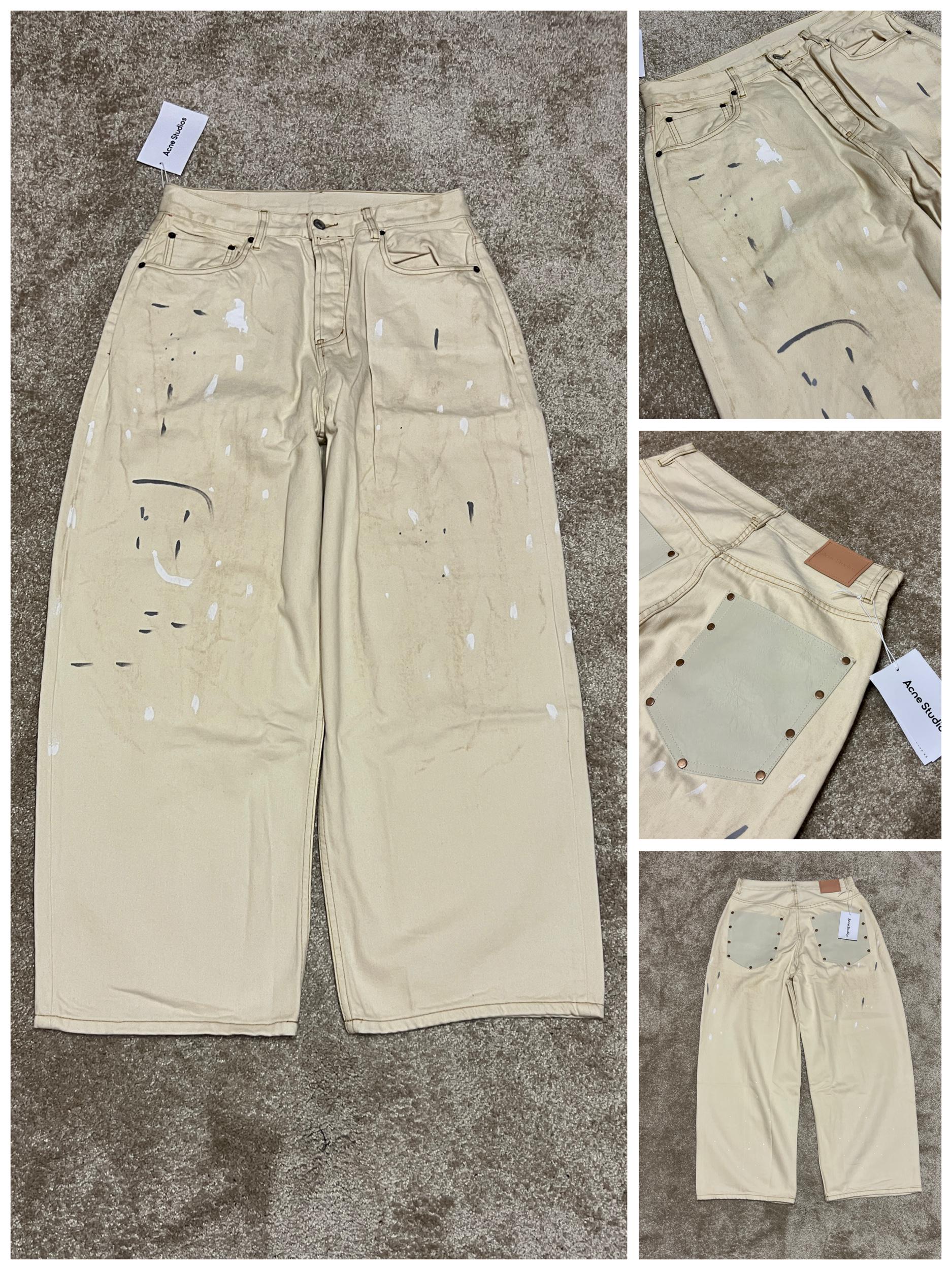
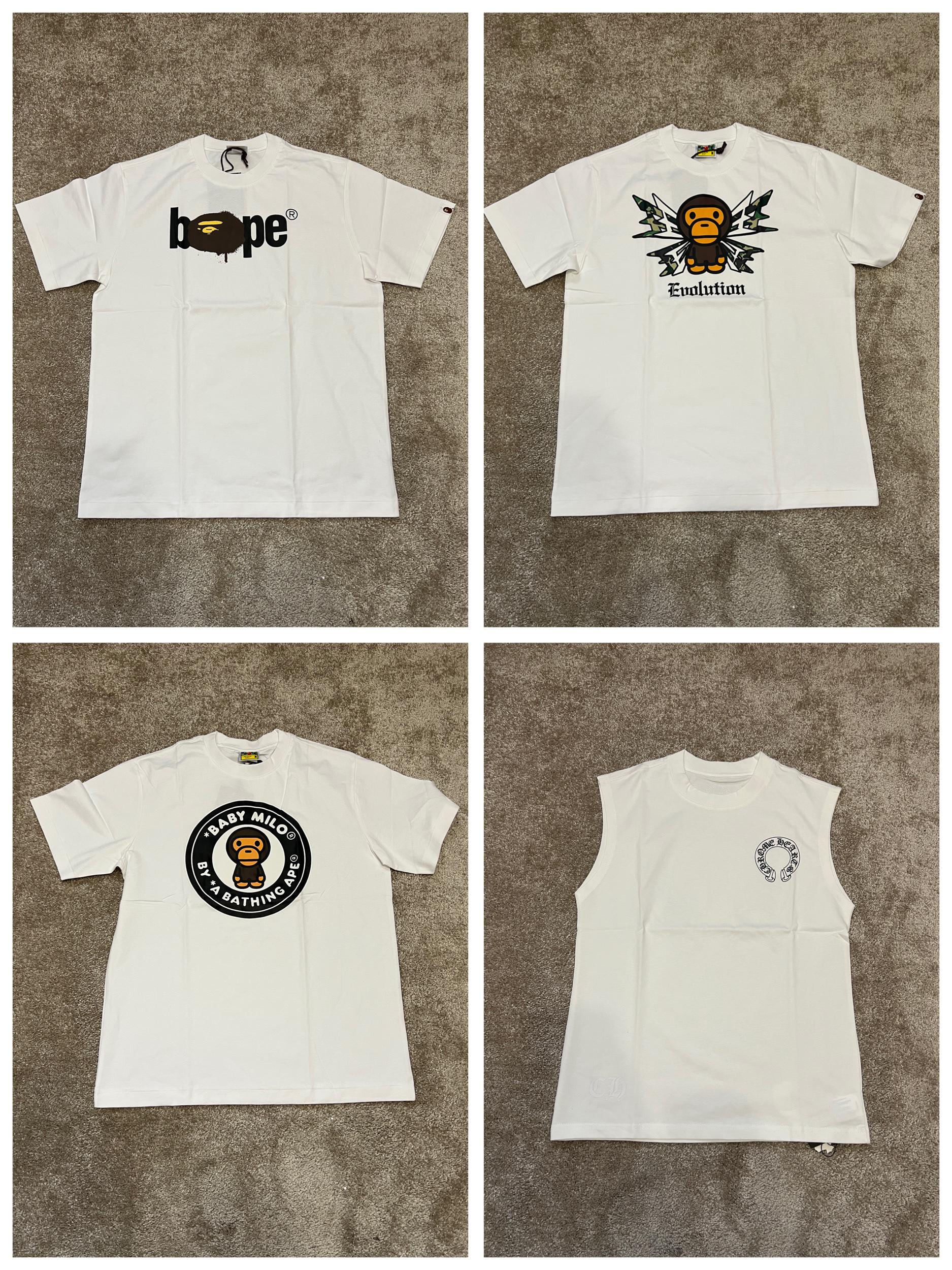
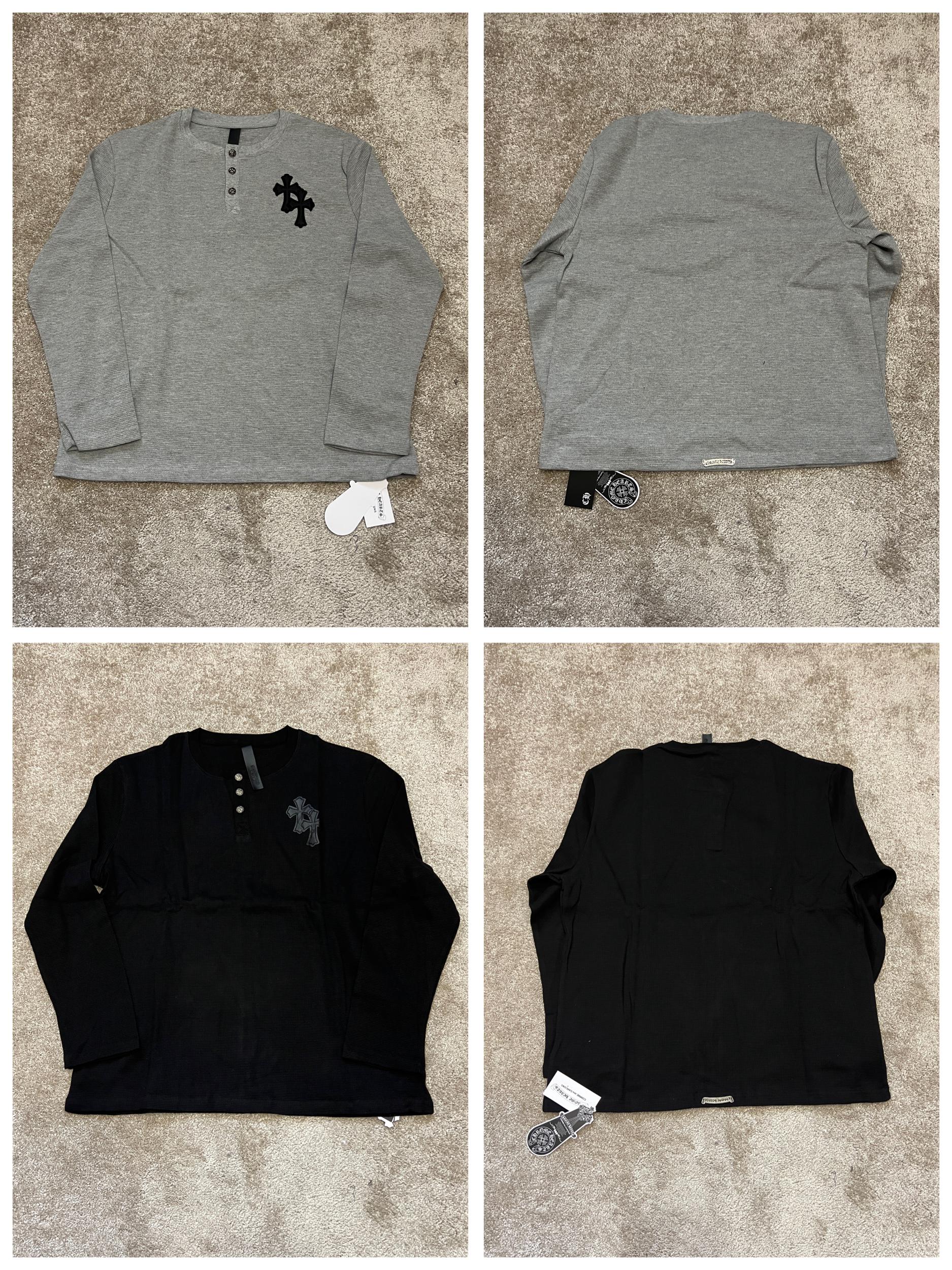
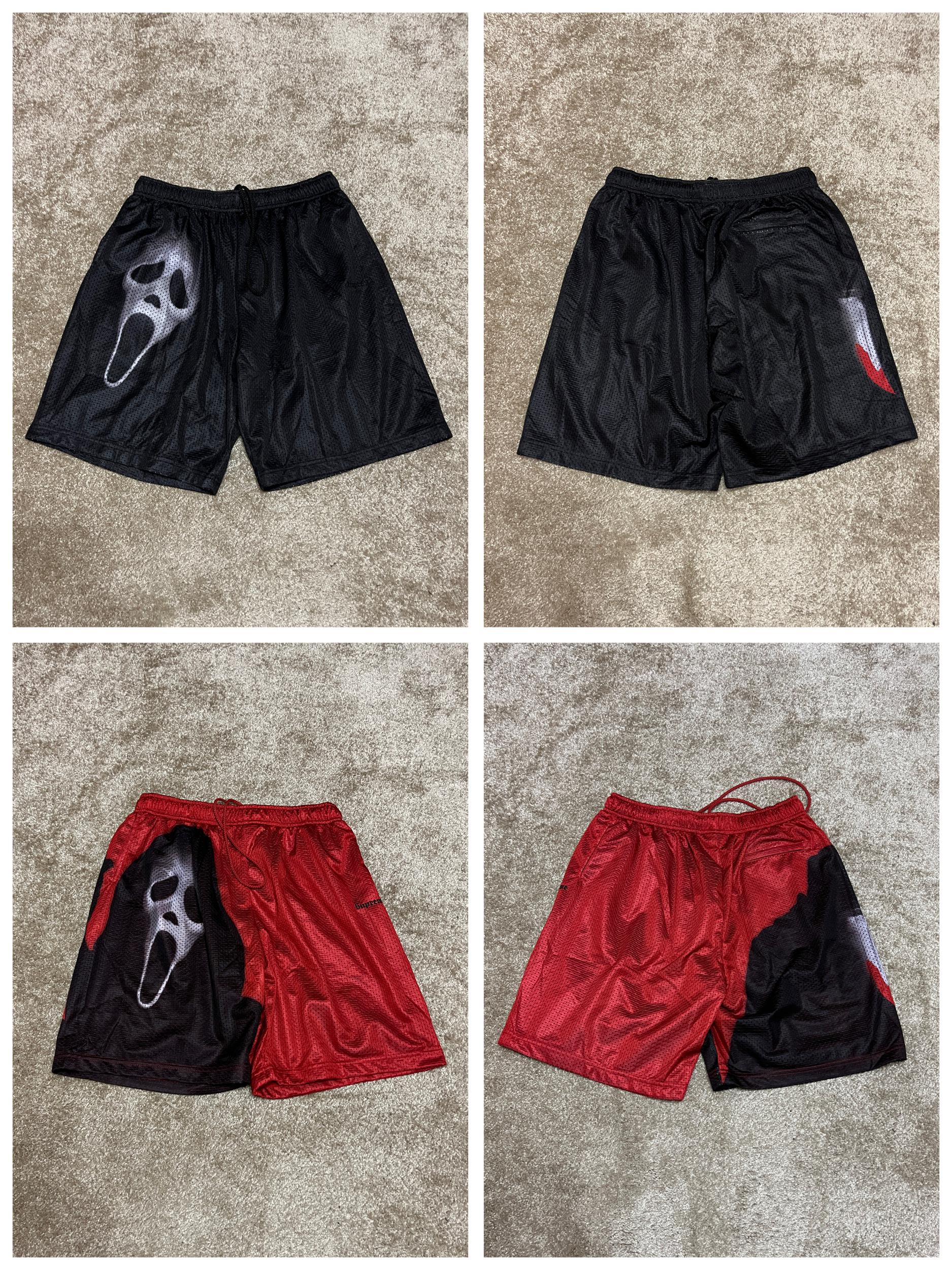
01 / CLOTHING NOTES
Fibre percentages and the part they describe
A fibre-content label identifies materials and their proportions. In the US, most textile and wool products carry fibre-content information. A care label serves a different purpose: it explains regular cleaning and maintenance. A product title such as cotton-feel or wool-look is not a substitute for a clear material description.
A garment may use different materials in the body, lining and trims. Check which part a percentage describes before assuming the entire item has that composition. A readable label photo gives you something specific to compare with a written specification. It still does not amount to laboratory verification.
02 / CLOTHING NOTES
Blends and the purpose of the fabric
A blend combines fibre types within a fabric or yarn. Textile producers use combinations to balance properties such as absorbency, wrinkle behaviour, strength and recovery. The result depends on fibres, proportions and construction. A blend is not automatically a compromise, and a single-fibre label is not a complete quality rating.
For a commuter shirt, easy care may matter more to you than a crisp texture. For a knit worn against the skin, feel may decide the purchase. Assess those preferences with the actual fabric. Choose the use first and read the composition in that context.
03 / CLOTHING NOTES
Seams, edges and functional details
Construction can be assessed more concretely than a vague premium-quality claim. Look for secure stitching appropriate to the fabric, seam areas that lie smoothly and fastenings that work. Inspect an inside view as well as the front; joining and finishing details can be hidden during normal wear.
Choose photos that answer a particular question: a closed zip for a split graphic, an inside seam for the edge finish or a buttonhole close-up for loose stitching. Different construction methods can produce sound results. An overlocked edge or the absence of an expensive-looking detail is not, by itself, proof of poor workmanship.
04 / CLOTHING NOTES
Pilling and the effects of friction
Pilling is the appearance of small tangled balls of fibre on the fabric surface. Rubbing during wear is an important cause, with common areas including sleeves and the sides of a sweater. The outcome depends on several factors, including the material and the way the item is worn.
A smooth photograph of a new knit cannot establish that it will never pill. An isolated pill cannot identify a fibre or explain every aspect of quality. If you often wear a shoulder bag or work at a desk, inspect those contact areas over time. Follow the garment’s care information when maintaining its surface.
05 / CLOTHING NOTES
Care requirements as part of the purchase
Read cleaning and drying instructions before deciding that an item fits your routine. The care method applies to the finished garment, where dyes, trims and construction can matter as well as the main fibre. Do not copy a washing method from another garment simply because both mention cotton or wool.
Imagine two similar-priced tops: one fits your normal laundry routine, while the other needs a service you rarely use. The second may still be right for you, but its upkeep belongs in the decision. Record care requirements beside the size and material notes before purchasing.
French terry and brushed fleece are a more specific comparison of hoodie interiors; the composition and care questions here apply across clothing types. In the T-shirt spreadsheet, keep the selected print and size with the material information rather than transferring a label from another option.
Match the evidence to the question
| Evidence | Useful information | What it does not prove |
|---|---|---|
| Fibre-content label | Stated materials and percentages | Feel, durability or independently tested composition |
| Inside-seam photo | Visible joining and edge finish | Performance after repeated washing |
| Care label | Specified regular care | That every alternative method is safe |
| New knit close-up | Current surface appearance | A guarantee against future pilling |
COMMON MISCONCEPTIONS
Three assumptions worth checking
“Pure fibre always means better clothing.”
Composition describes the stated fabric content. Suitability also depends on how the garment is constructed, used and maintained.
“The heaviest garment has the best fabric.”
Whole-item weight includes size, lining, hardware and other components. It does not isolate outer-fabric quality or show whether its weight suits your intended use.
“A close-up confirms material authenticity.”
A photo shows a surface and visible details. It cannot identify every fibre, verify a composition percentage or substitute for a relevant material test.