
THE CATEGORY SPREADSHEET
GTBuy T-Shirt Spreadsheet
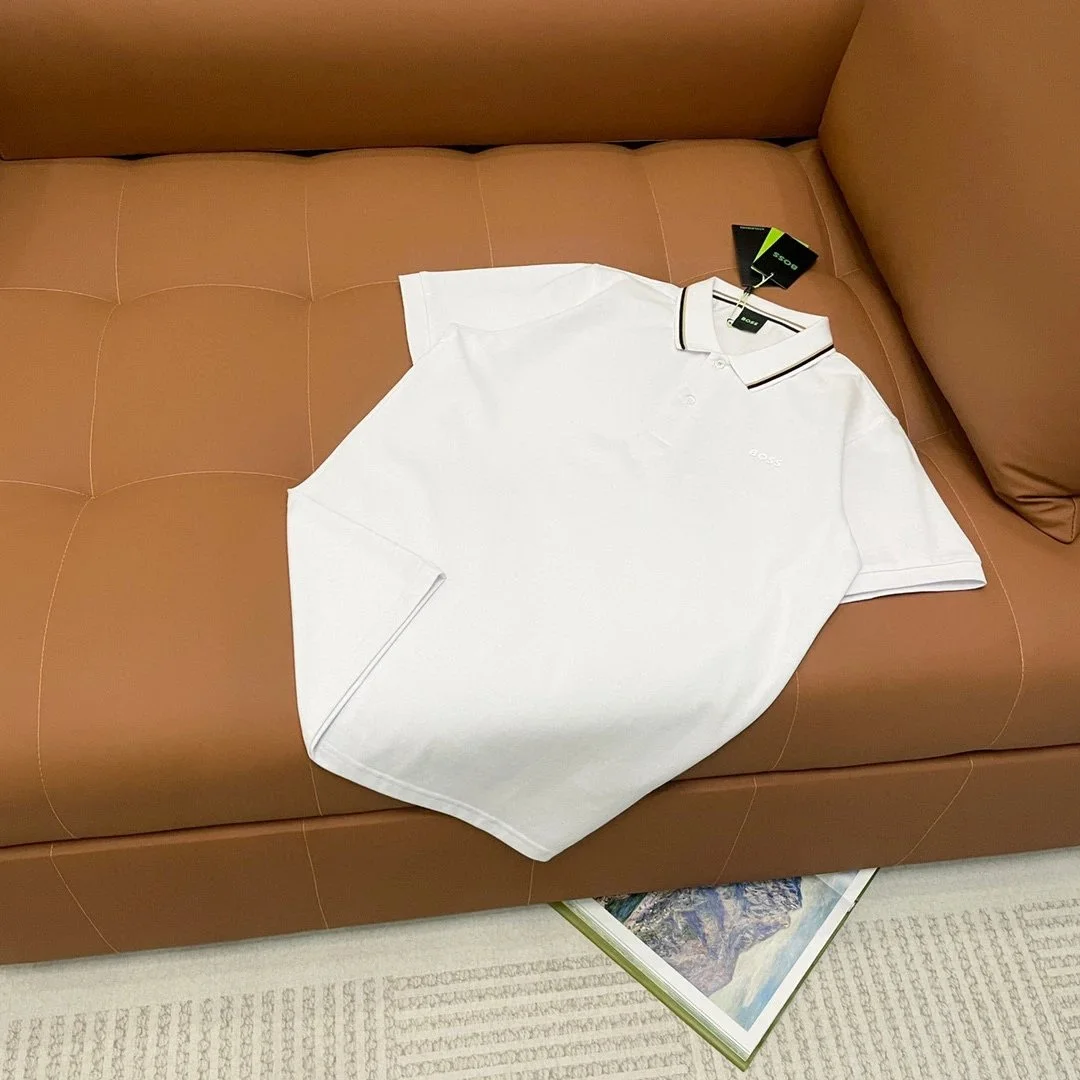
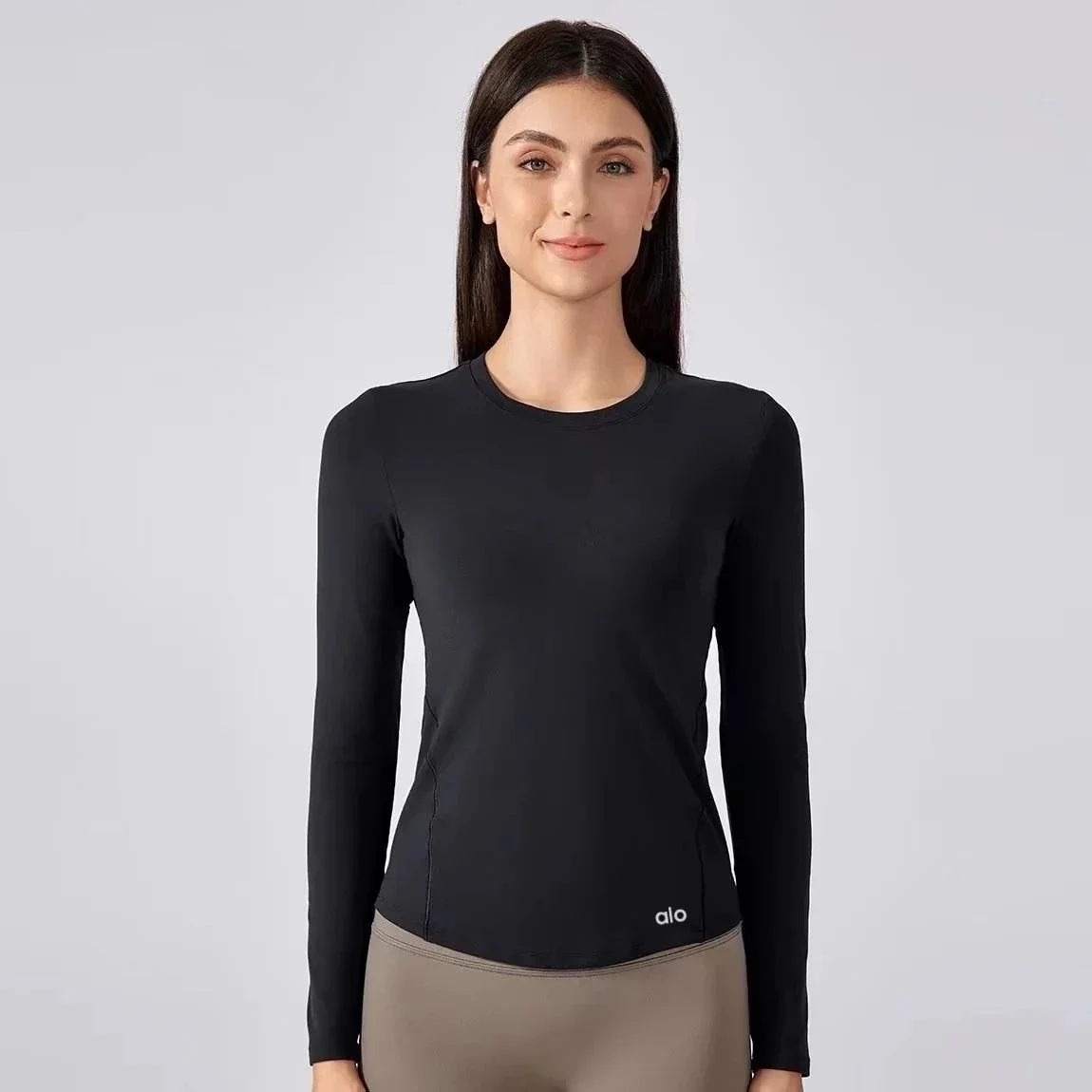
Browse tees, polos and shirts from a mix of labels. Compare the print, fabric notes and listed fit before choosing a size.
Before you choose T-shirts
- Measure chest width, body length and shoulders on a shirt that fits you.
- Check the front, back, collar and print details within one QC group.
- Confirm whether the listing is for a tee, polo or button-up shirt.
24 selected products · 24 catalog labels
Snapshot · 18 Nov 2026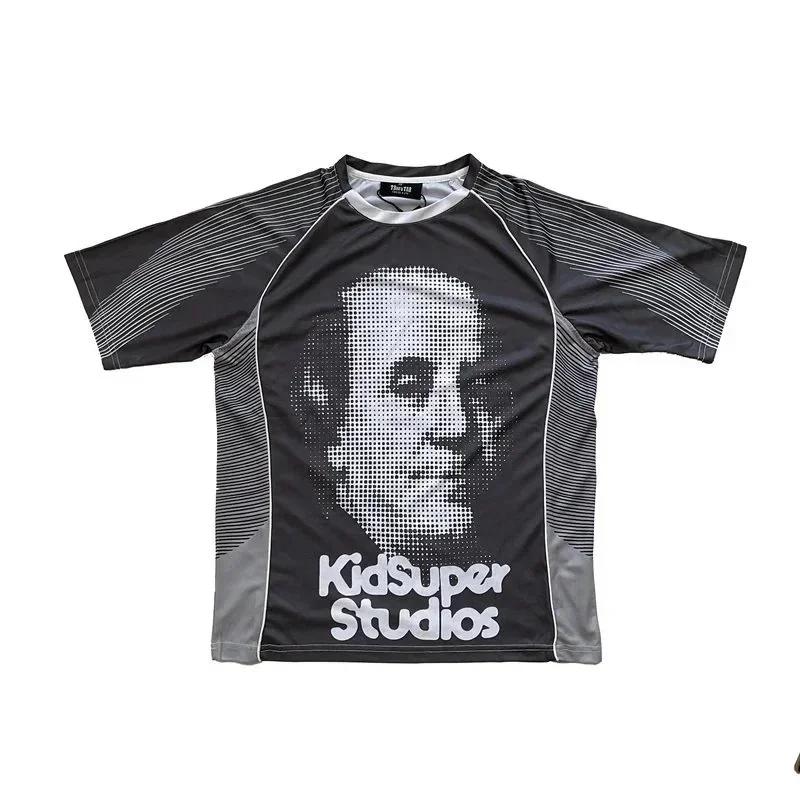
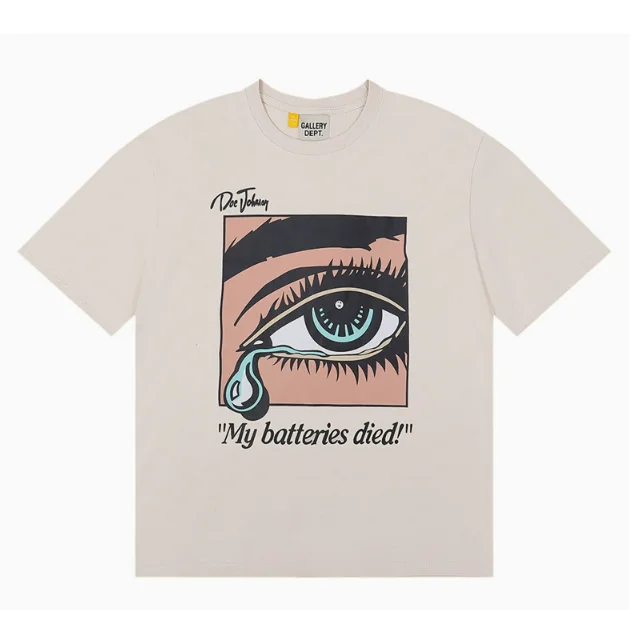
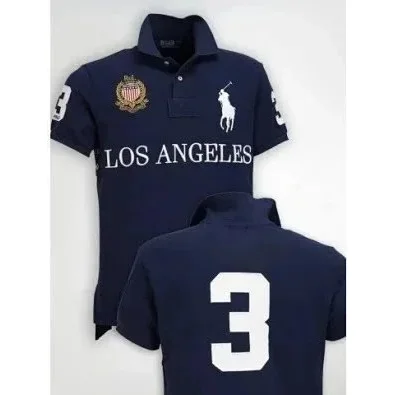
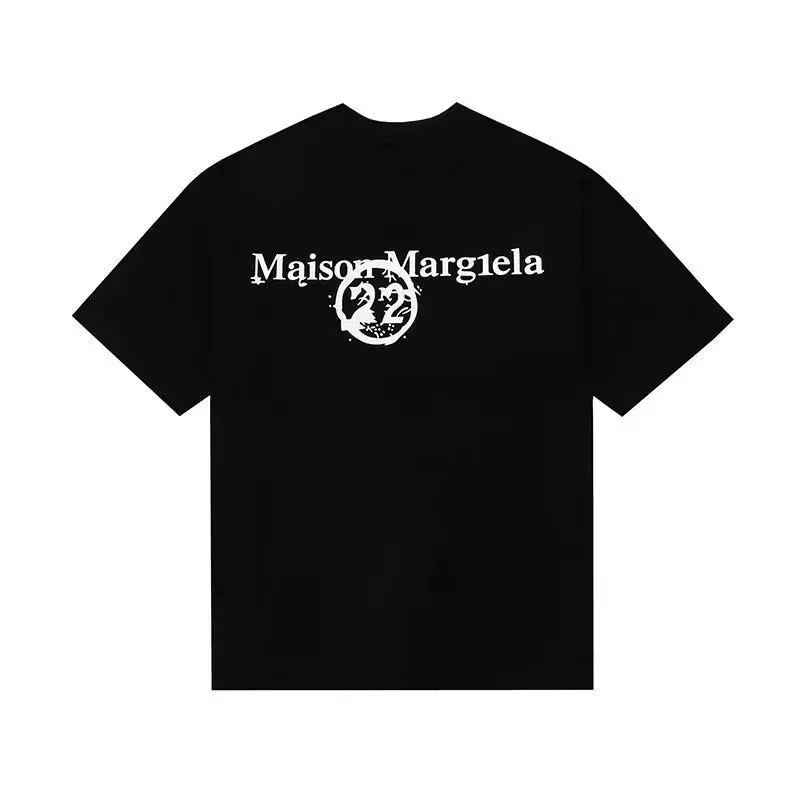
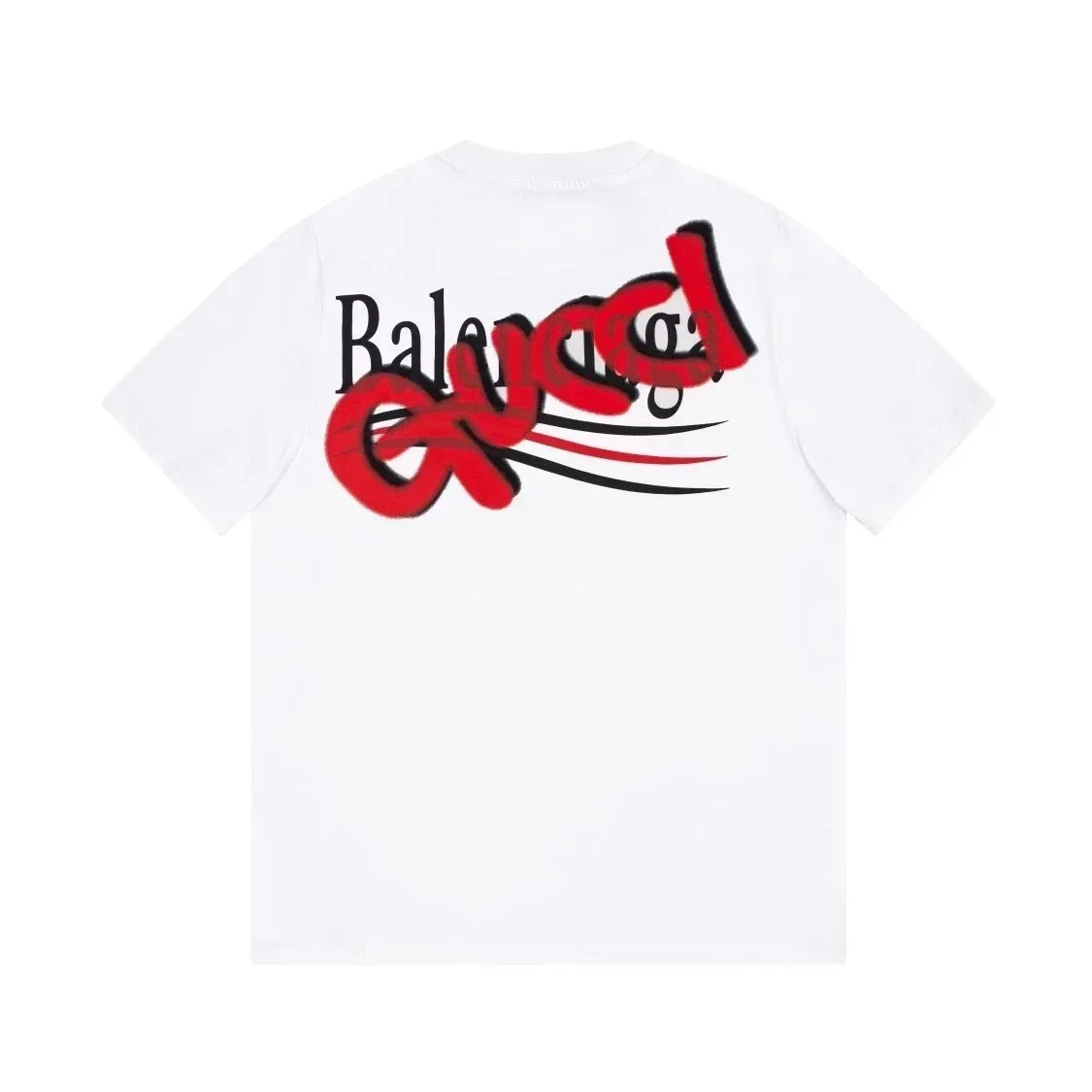
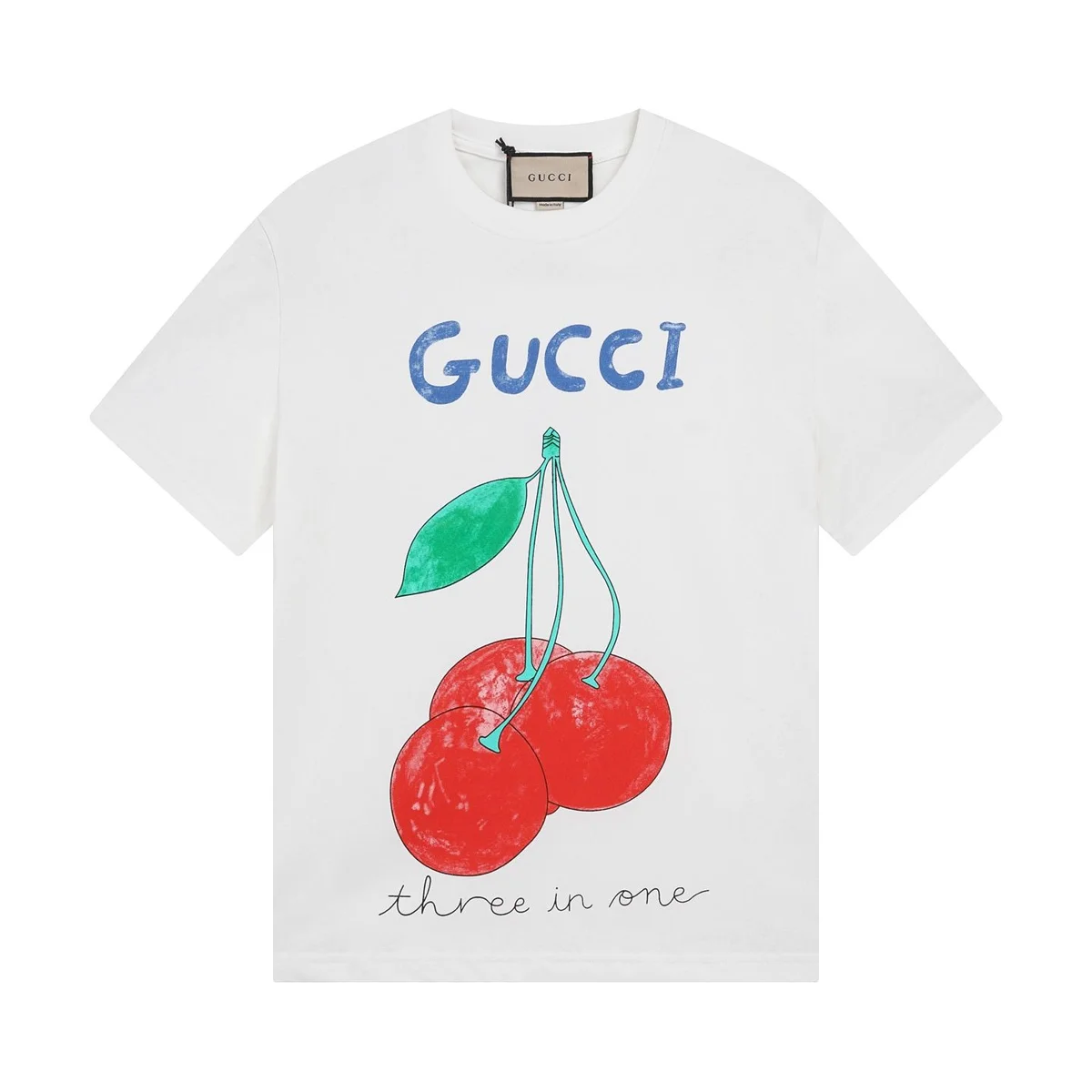
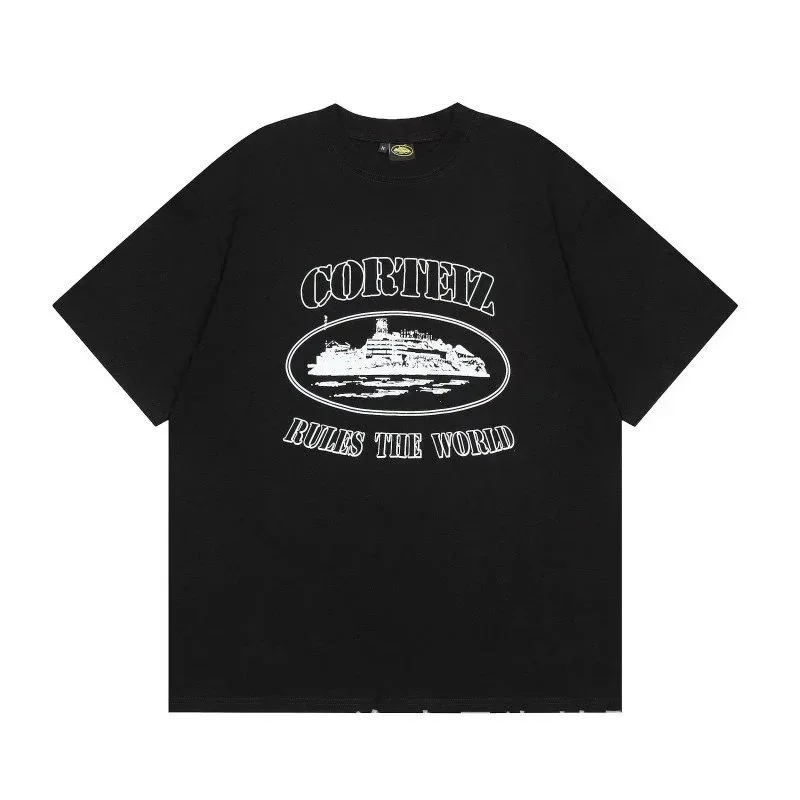
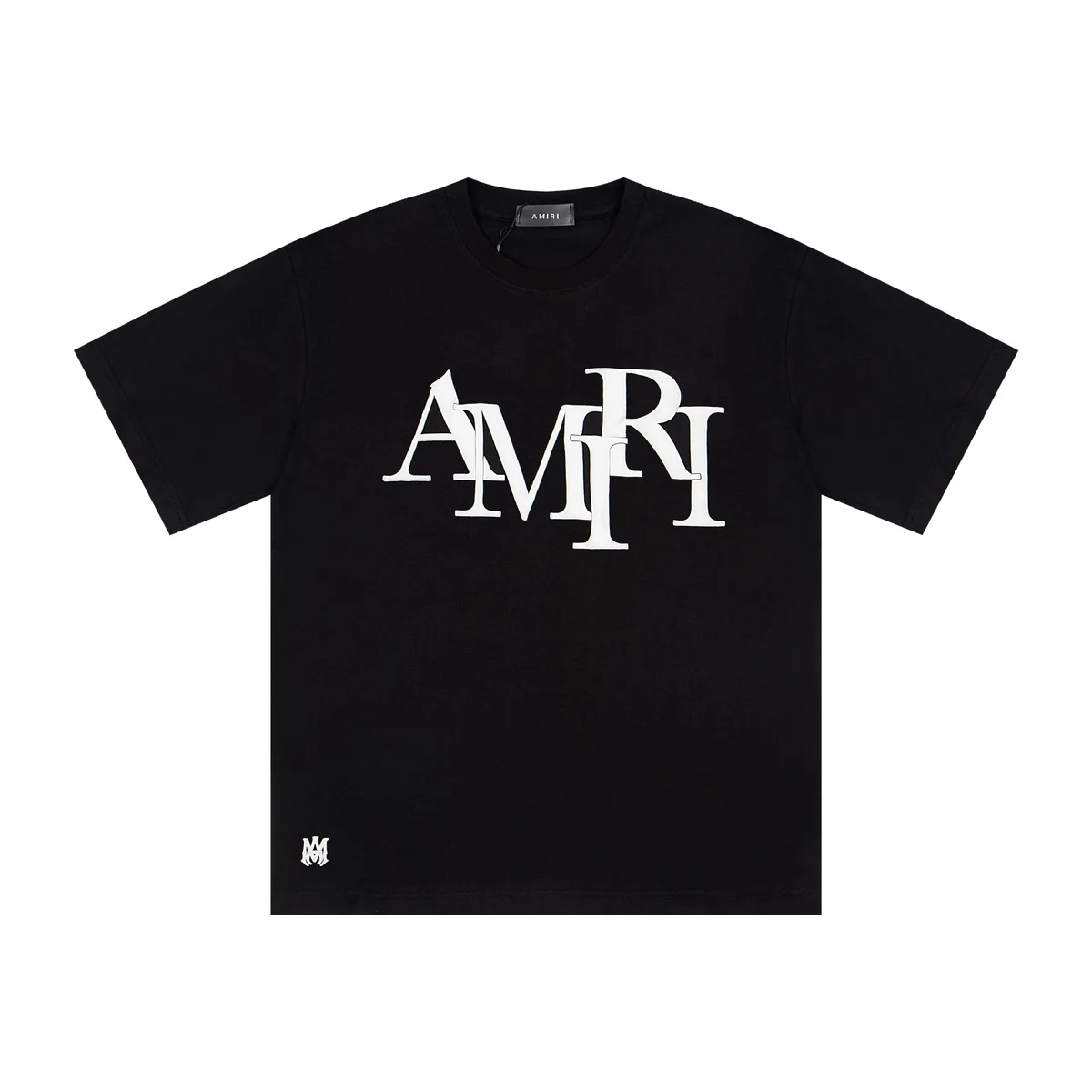
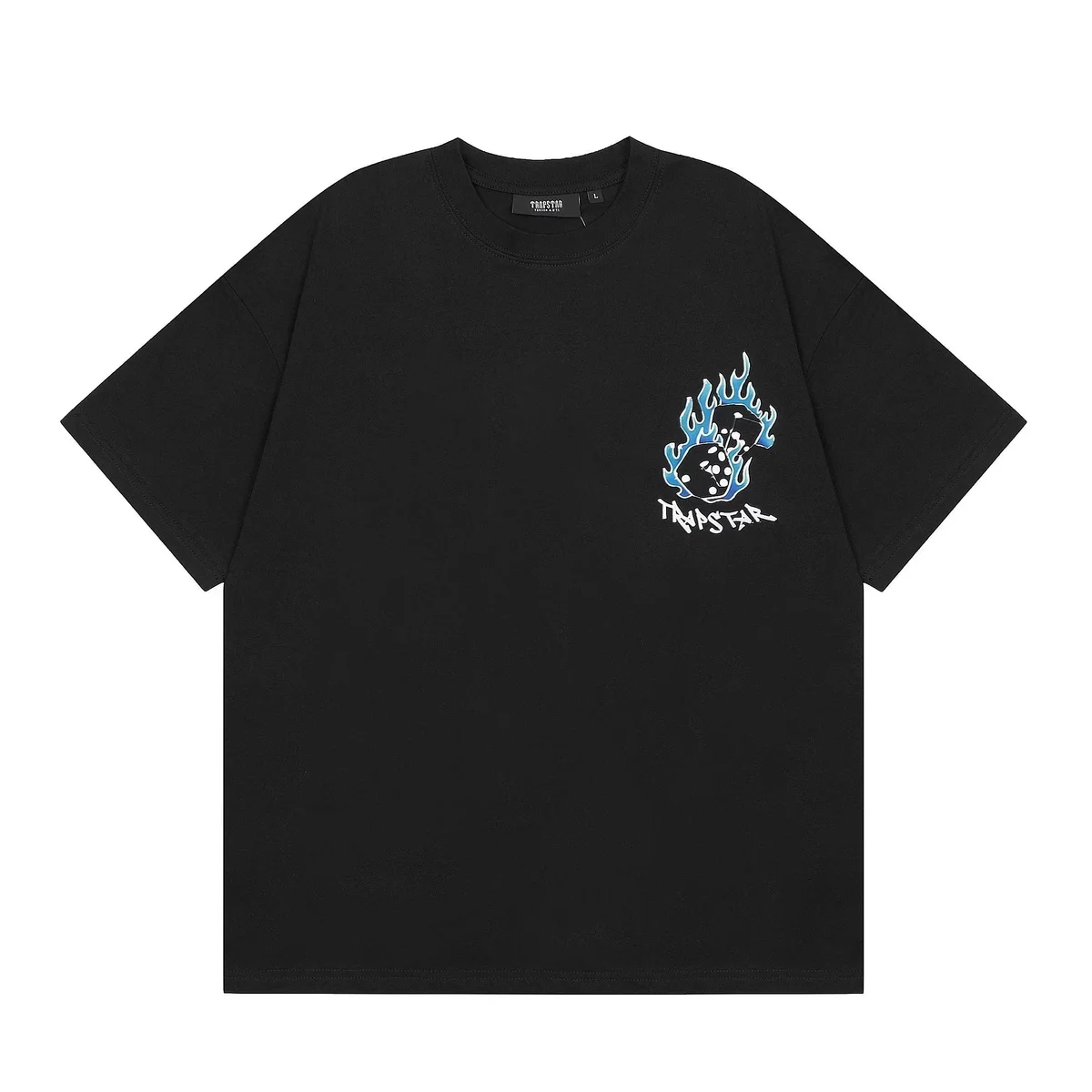
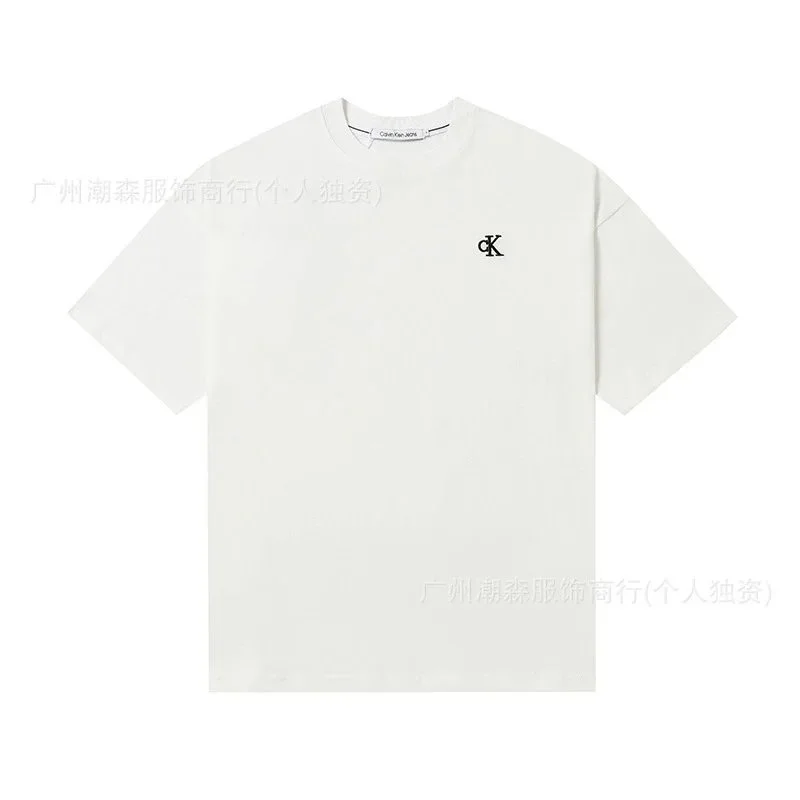
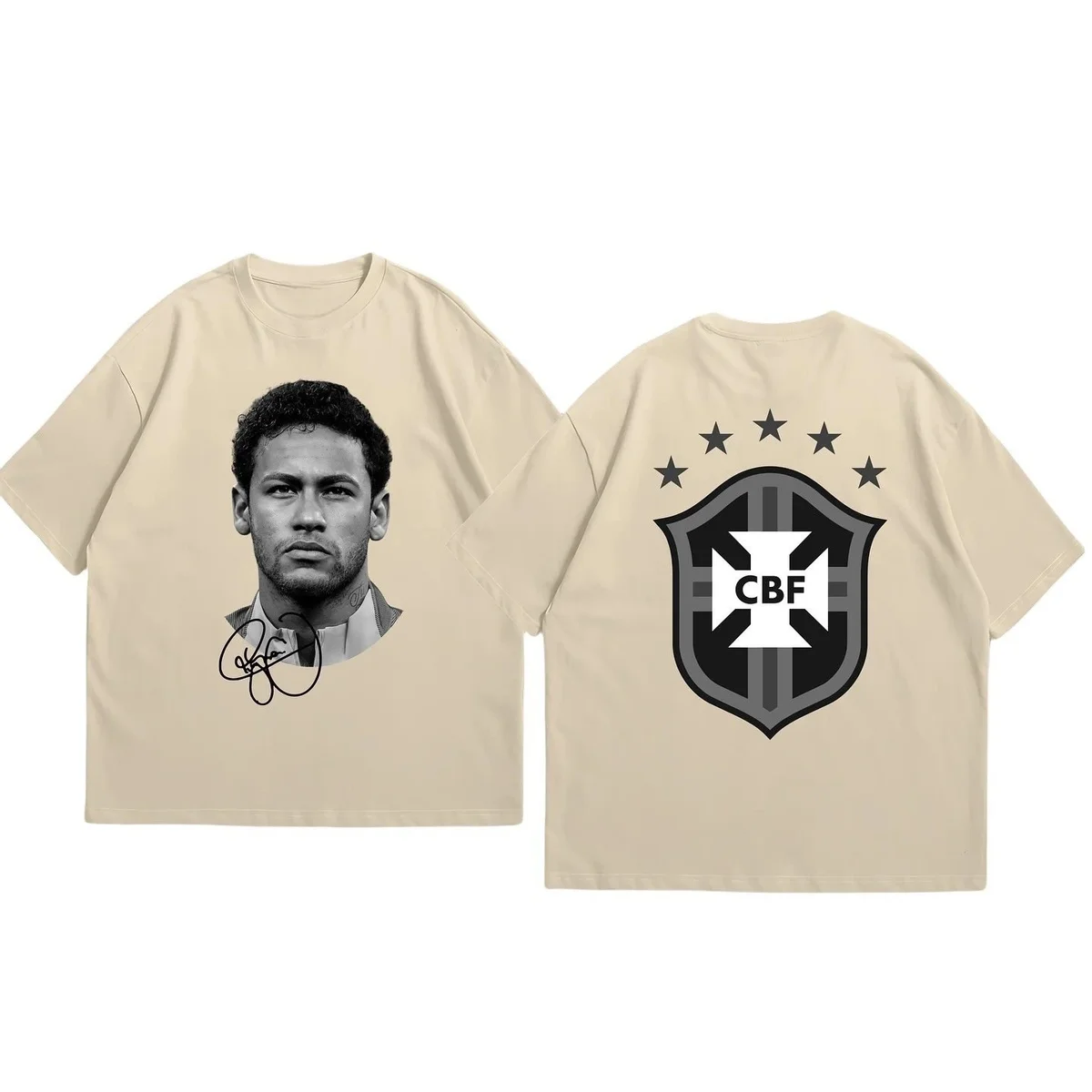
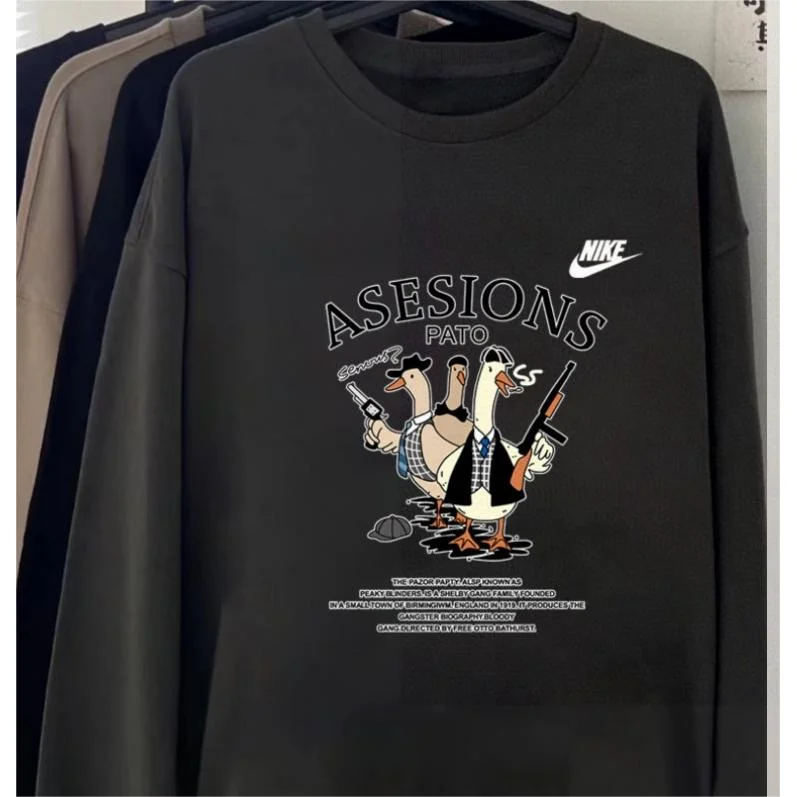
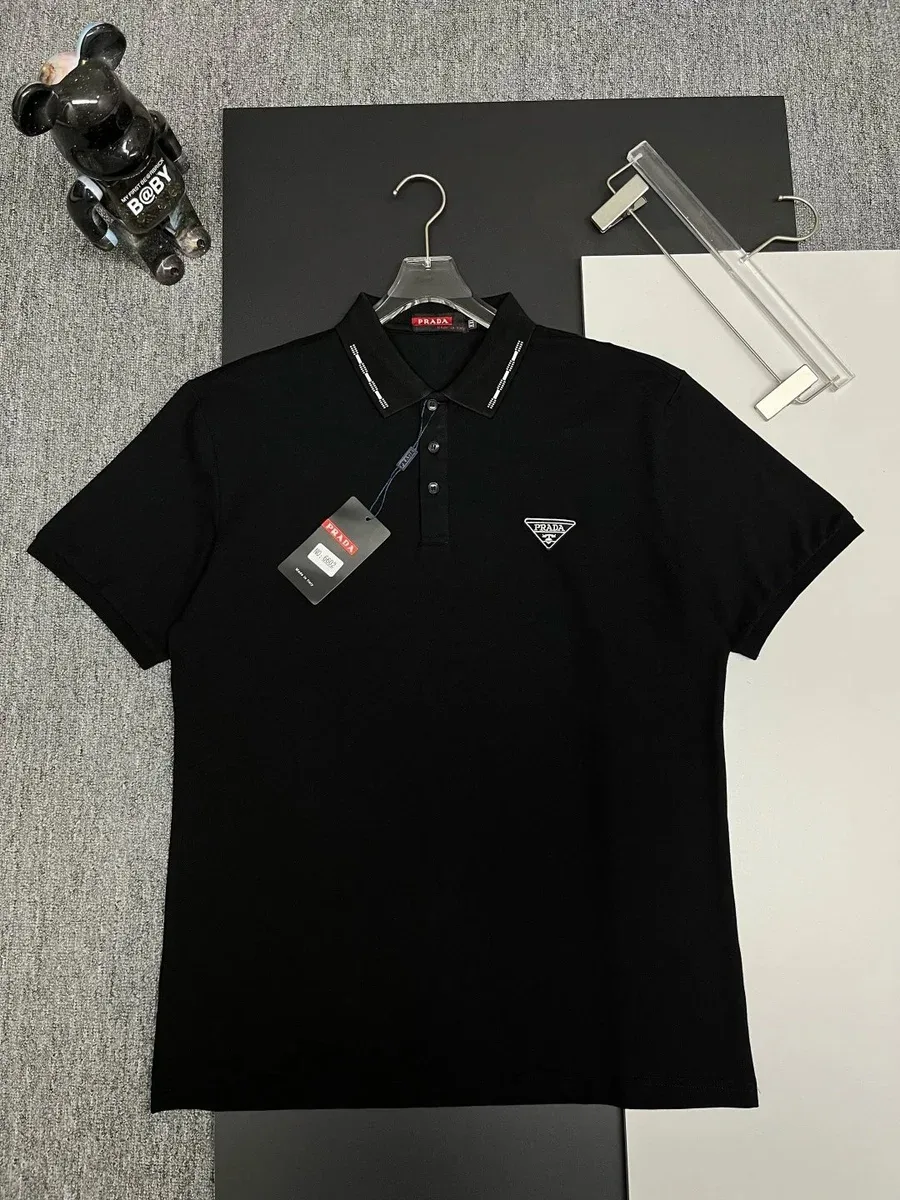
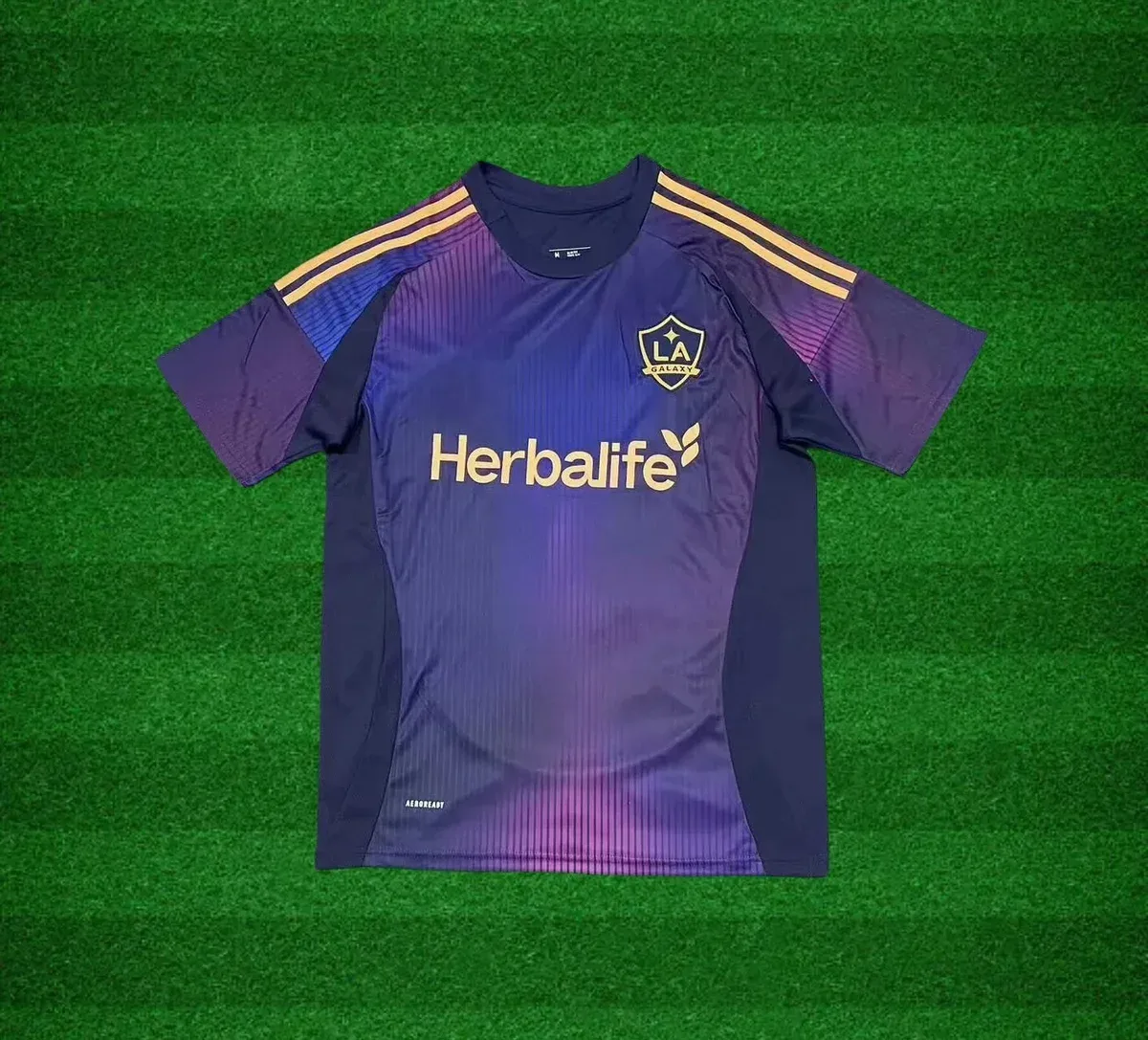
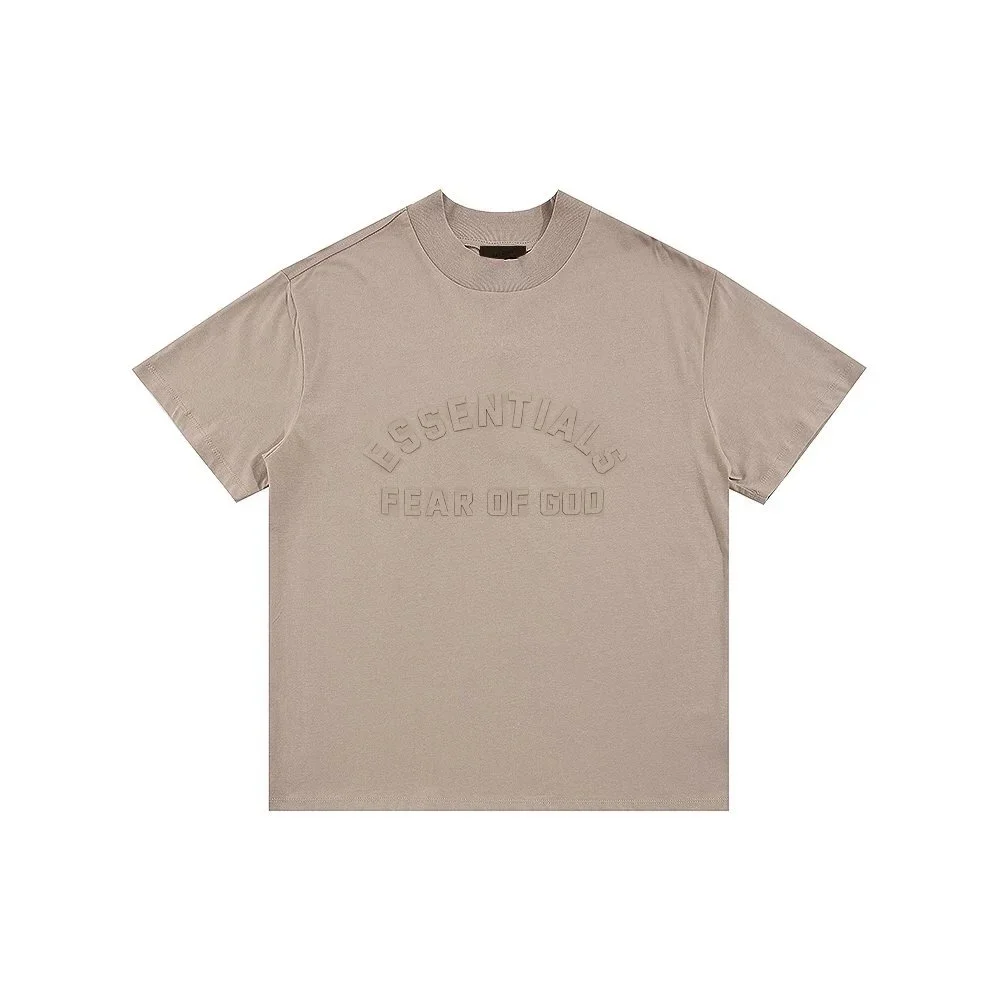
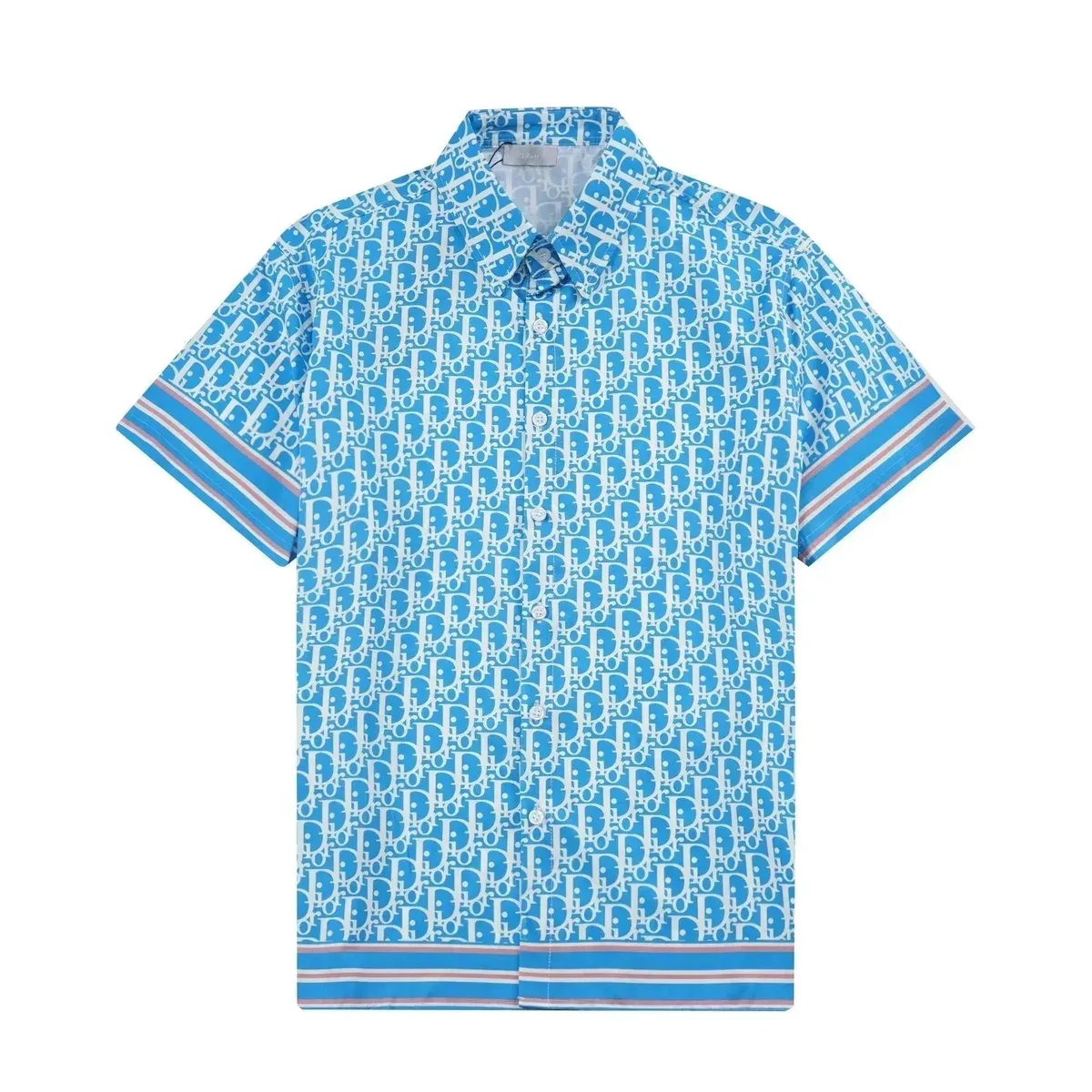
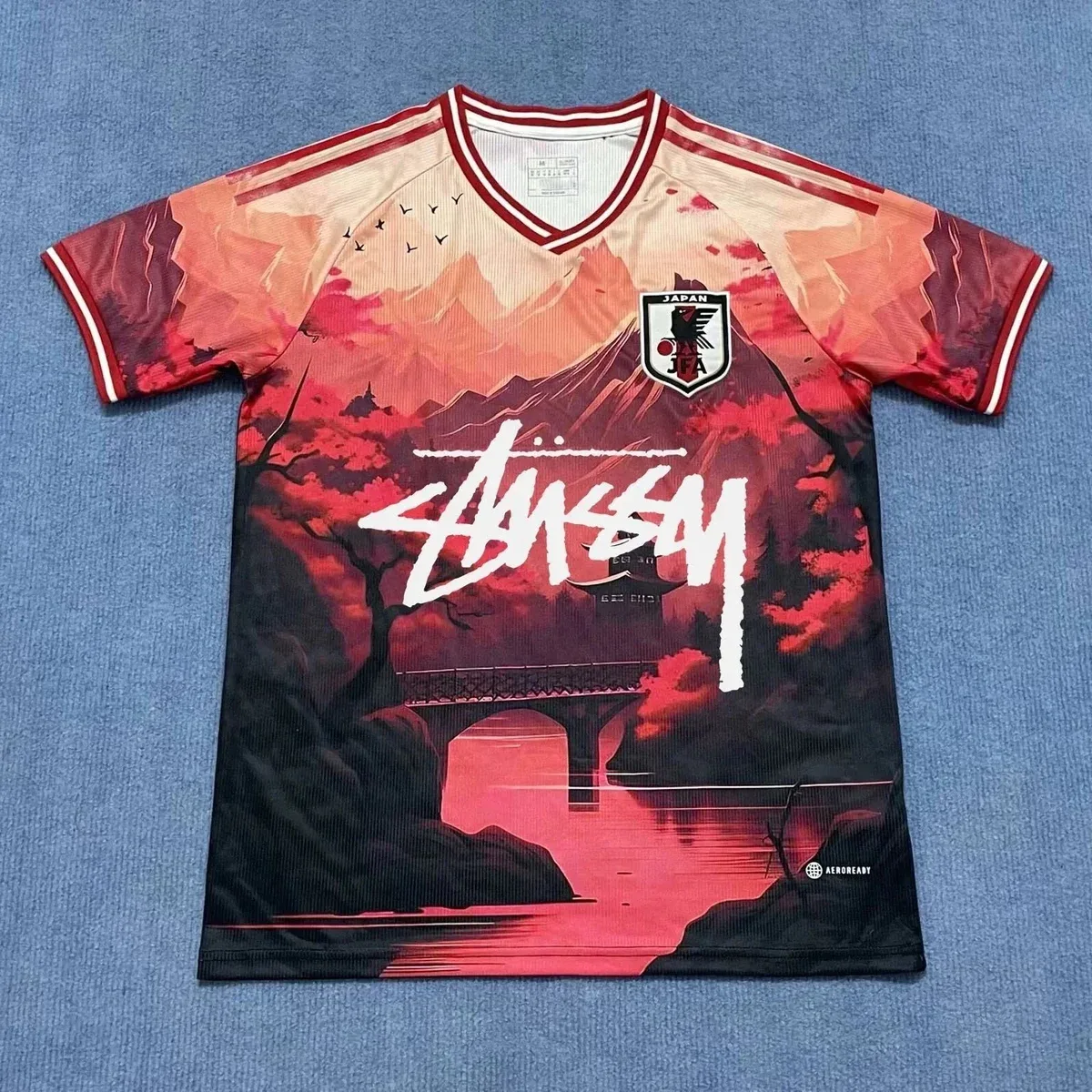
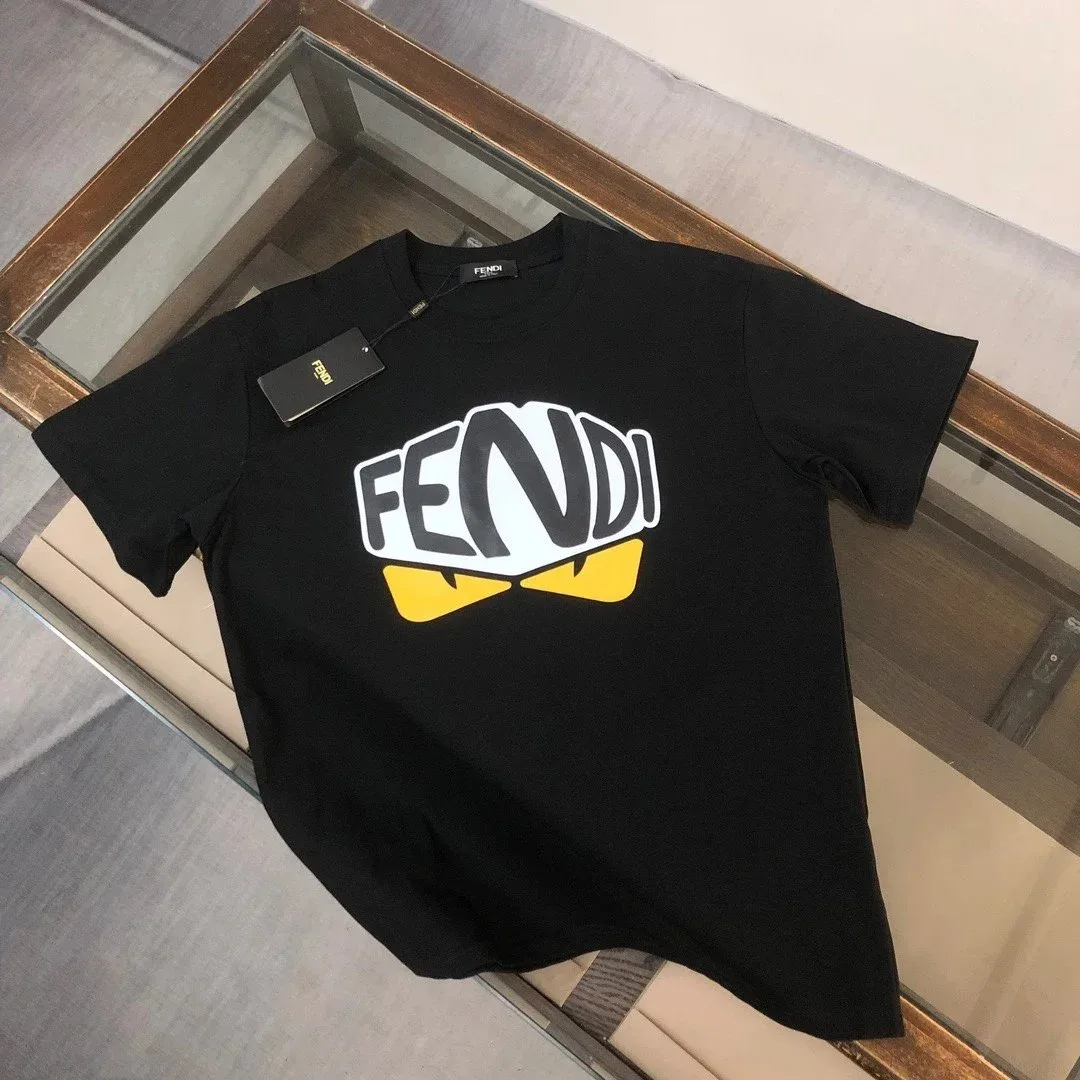
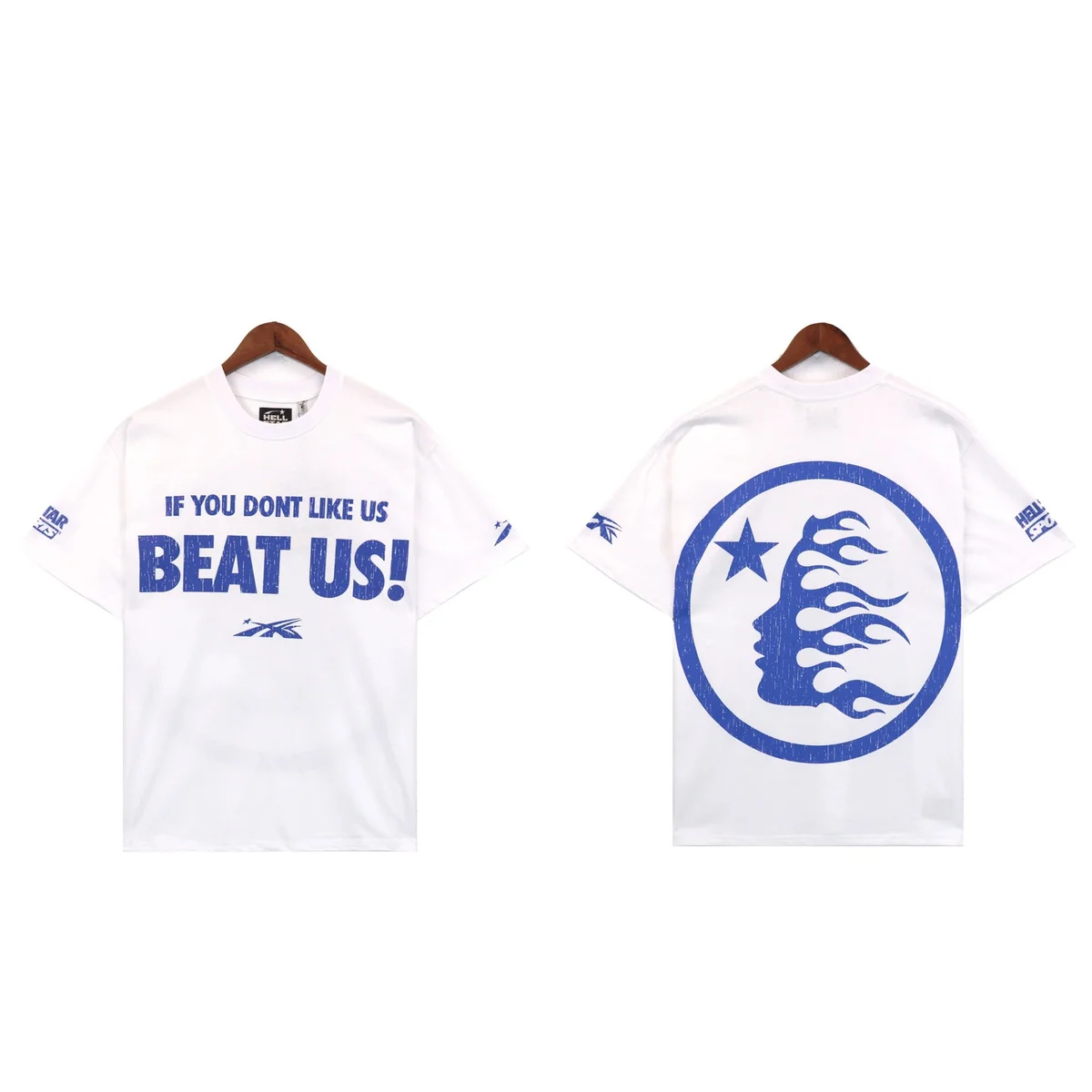
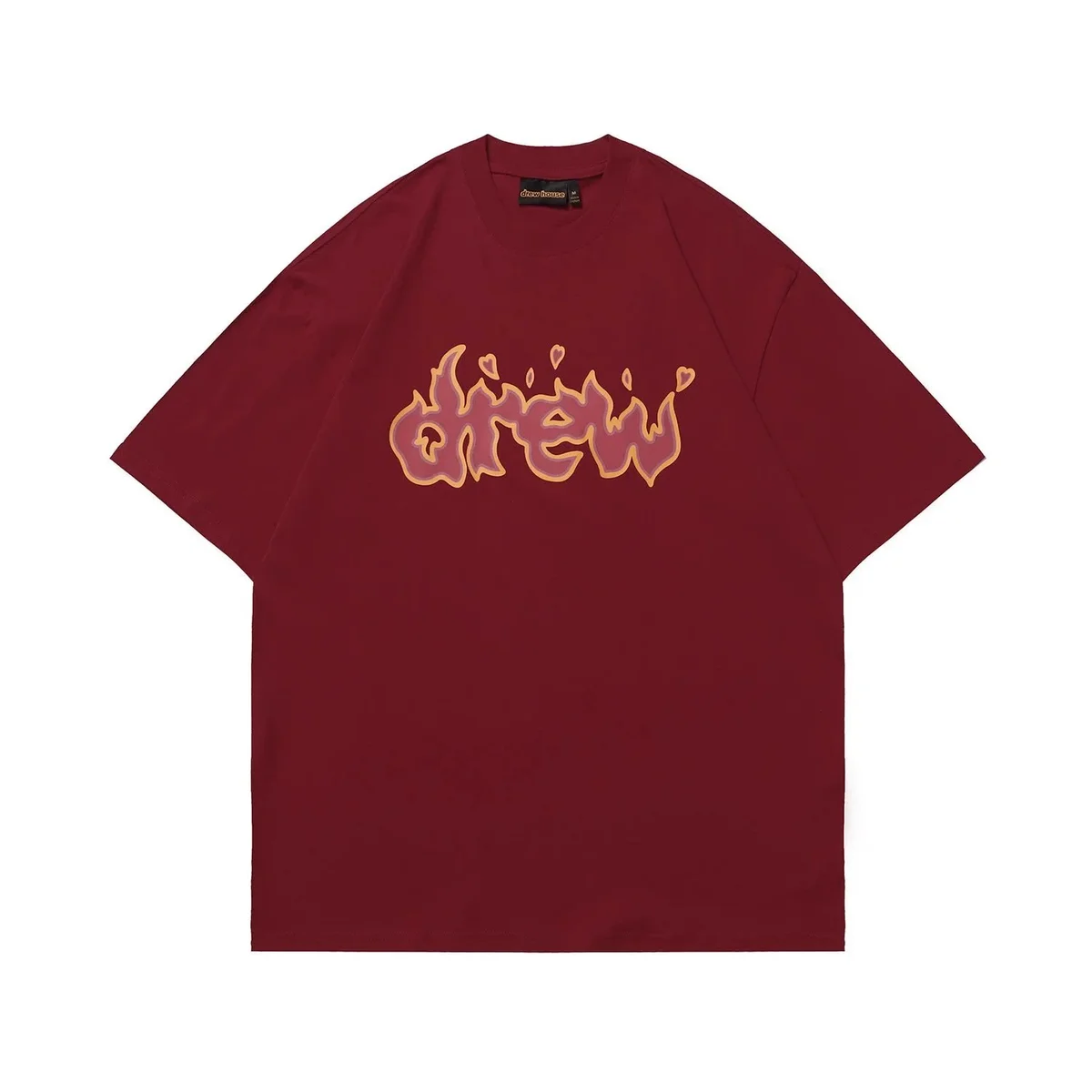
Browse more T-shirts
Opens the full category in a new tab.
CLOTHING KNOWLEDGE / T-SHIRTS
T-shirt selection:
fabric, fit & finish
Understand the details behind an everyday tee, from the material label to the way it sits on your body.
FABRIC
Fibre content and everyday care
A cotton percentage describes the fibre composition, while the fabric construction and finish also affect how a T-shirt feels. Blending fibres can balance different properties, so composition alone is not a quality ranking. Read the material description together with the care label, and choose something that suits how you will wear and wash it.
FIT
Chest width, body length and shoulders
A boxy T-shirt can be wide and short at the same time. Compare chest width and body length separately with a similar tee you already like. Shoulder construction matters too: a dropped shoulder moves the sleeve seam down the arm, changing how sleeve length should be read. Check that the size chart describes the body or the finished garment before comparing its numbers.
FINISH
Seams, the neckline and print placement
Look at how the garment is joined: seams should lie smoothly, with secure stitching appropriate to the fabric. A close view of the neckline, sleeve edges and hem is useful alongside a full front and back view. For a printed tee, compare placement with the exact style you selected. When it arrives, try moving in it and check the seams and neckline again.